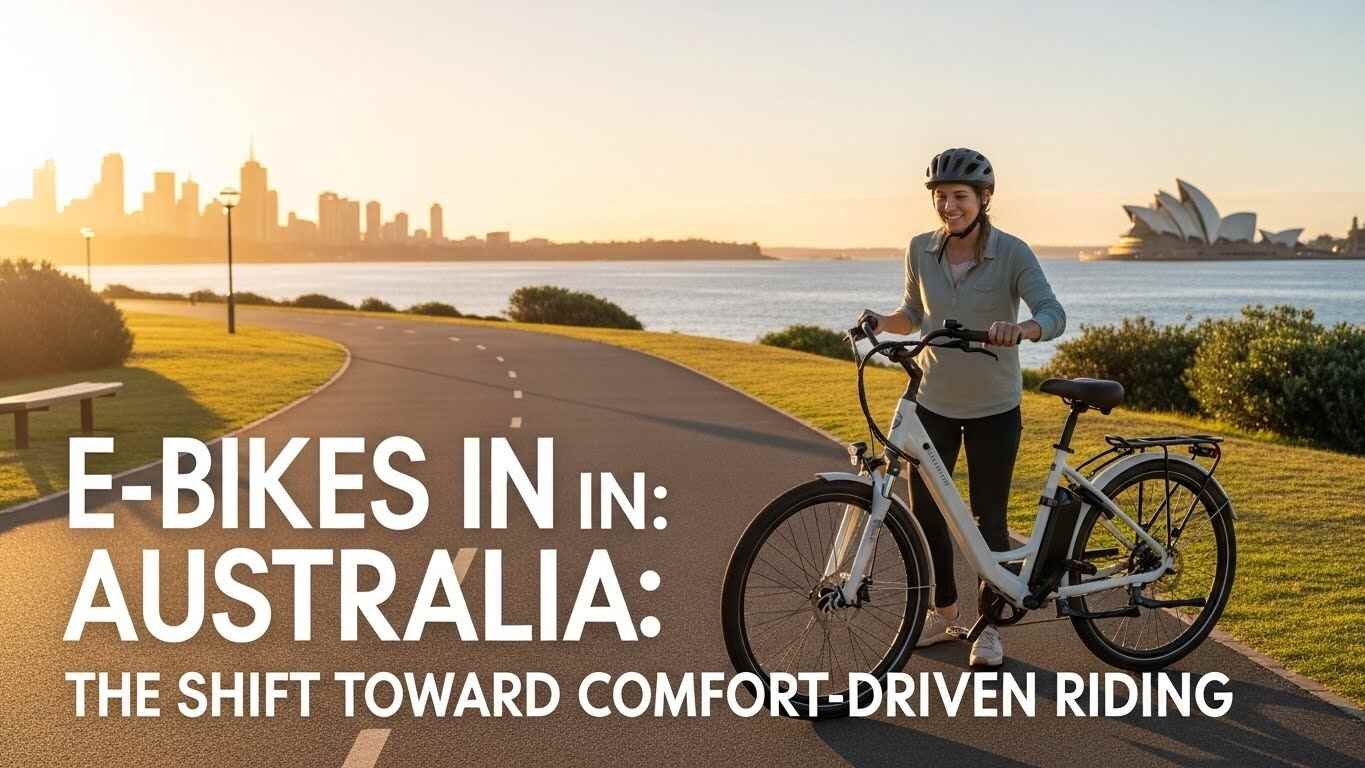
For decades, traditional bicycles defined how Australians moved through cities, coastal paths, and regional trails. Lightweight frames, manual pedalling, and performance-focused designs shaped cycling culture across the country. However, over the past few years, a noticeable shift has been taking place. Riders are increasingly choosing comfort-driven electric bikes over conventional bicycles, not because cycling has become less popular, but because expectations have changed.
This evolution is not about replacing cycling culture. It is about adapting it to modern Australian lifestyles, terrain, and daily routines.
Changing How Australians Ride
Australia presents a unique riding environment. Coastal pathways, suburban streets, long shared trails, and uneven surfaces are far more common than compact European city roads. For many riders, especially commuters and recreational cyclists, traditional bikes no longer align with how they actually ride.
Long distances, warm weather, and mixed terrain can make manual cycling physically demanding, particularly for those riding daily or using bikes for practical travel rather than sport. Comfort-driven e-bikes address these realities by offering pedal assistance, upright riding positions, and wider tyres that absorb road vibration and improve stability.
Rather than focusing on speed or athletic performance, many riders now prioritize ease of use, reliability, and physical comfort.
Comfort Is No Longer a Compromise
Early perceptions of electric bikes often framed them as a compromise. Riders believed that comfort meant sacrificing control, durability, or an authentic cycling experience. That view has shifted significantly.
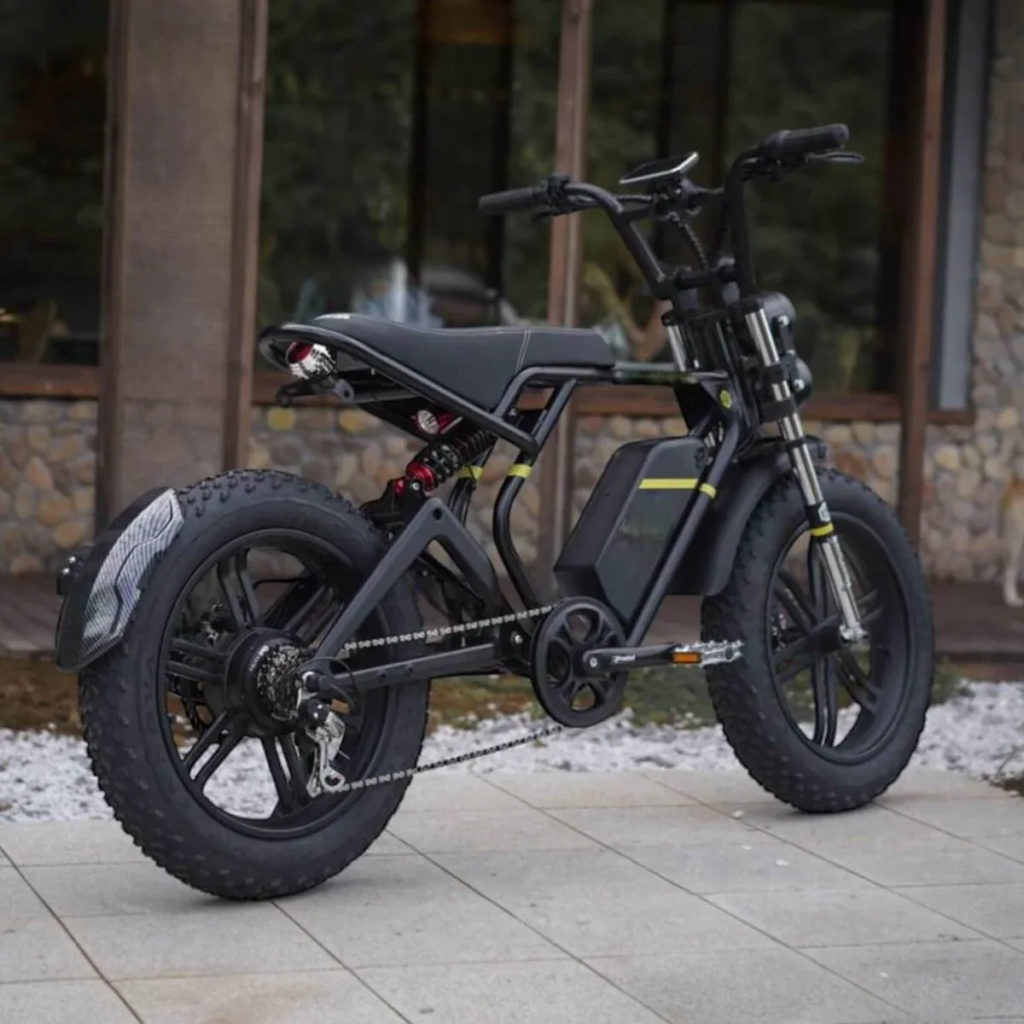
Modern e-bikes are designed to enhance the ride without removing the cyclist from it. Pedal assist allows riders to control effort rather than eliminate it. Comfortable geometry reduces strain on the lower back, shoulders, and wrists. Suspension systems and wider tyres improve handling on uneven surfaces commonly found across Australian paths.
Comfort has become a feature of quality, not a substitute for it.
The Rise of Everyday Cycling
Another major driver behind this shift is how people use bikes today. Cycling is no longer reserved for weekend rides or fitness routines. It has become part of everyday life for commuting, errands, school runs, and casual coastal rides.
Comfort-driven e-bikes make this transition possible. Riders can travel longer distances without fatigue, arrive without excessive sweating, and ride consistently regardless of wind or mild elevation changes. This accessibility encourages more frequent riding, especially among people who previously avoided cycling due to physical limitations or lifestyle constraints.
The result is a broader, more inclusive cycling culture across Australia.
Terrain Plays a Bigger Role Than Performance
Traditional bicycles often assume smooth roads and predictable surfaces. Australian riding conditions are rarely that simple. From beachside paths to suburban shortcuts and gravel-lined shared trails, surfaces change quickly.
Comfort-focused e-bikes are better suited for this variability. Features such as fat or semi-fat tyres, stable frames, and responsive braking systems provide confidence across mixed terrain. Riders do not need to adjust their route based on road quality. The bike adapts instead.
This practicality is one of the main reasons comfort-driven e-bikes are replacing traditional models for everyday use.
Lifestyle Over Competition
The growth of comfort-focused e-bikes also reflects a broader lifestyle shift. Many riders are no longer interested in competitive cycling or aggressive performance metrics. They want a reliable, enjoyable way to move through their environment.
E-bikes fit naturally into this mindset. They support longer rides without physical strain, allow riders to explore new areas, and encourage consistent use rather than occasional outings. The focus is on experience, not endurance.
Australian brands and designers have recognized this trend and increasingly build bikes that reflect how people actually ride, rather than how cyclists are traditionally portrayed.
Australian Brands Adapting to Real-World Needs
Local e-bike brands have played an important role in this shift by designing models that suit Australian conditions rather than importing generic designs. Comfort-driven geometry, durable components, and terrain-ready features reflect a growing understanding of regional riding habits.
Brands such as Cooly Bikes represent this approach by focusing on practical design choices that support relaxed riding, coastal routes, and mixed-surface use, rather than prioritizing race-style performance. This design philosophy aligns with how Australians increasingly view cycling as part of daily life rather than a specialized sport.
Accessibility and Confidence for New Riders
Comfort-driven e-bikes also lower the entry barrier for new cyclists. Riders who may feel intimidated by traditional bikes, due to fitness concerns or lack of experience, often find e-bikes more approachable.
Stable frames, predictable handling, and assisted pedalling allow riders to build confidence gradually. This has contributed to increased participation across age groups, including older riders and those returning to cycling after long breaks.
As cycling becomes more accessible, the overall riding community grows stronger and more diverse.
Sustainability Without Sacrifice
Environmental awareness has also influenced the shift toward e-bikes. Many Australians are looking for sustainable transportation options that do not compromise comfort or convenience. E-bikes offer a realistic alternative to short car trips while remaining enjoyable to use.
Unlike traditional bikes, which can feel limiting for longer distances or demanding terrain, comfort-driven e-bikes make sustainable travel practical for a wider audience. This balance between environmental responsibility and personal comfort is a key reason for their growing adoption.
The Future of Cycling in Australia
The rise of comfort-driven e-bikes does not signal the end of traditional bicycles. Instead, it reflects an expansion of cycling culture. Riders now have more choices that align with their needs, environments, and lifestyles.
As infrastructure improves and technology continues to evolve, comfort-focused e-bikes are likely to play an even greater role in how Australians move through their cities and landscapes. The emphasis will continue shifting toward usability, inclusivity, and real-world performance rather than pure athleticism.
In this way, e-bikes are not replacing cycling. They are redefining it for modern Australia.

Sachin Kadwal is the founder of TurinBikes, with 5.5+ years in SEO and digital research. He rides regularly and creates honest, data-backed bike guides based on verified reviews and real-world testing.”