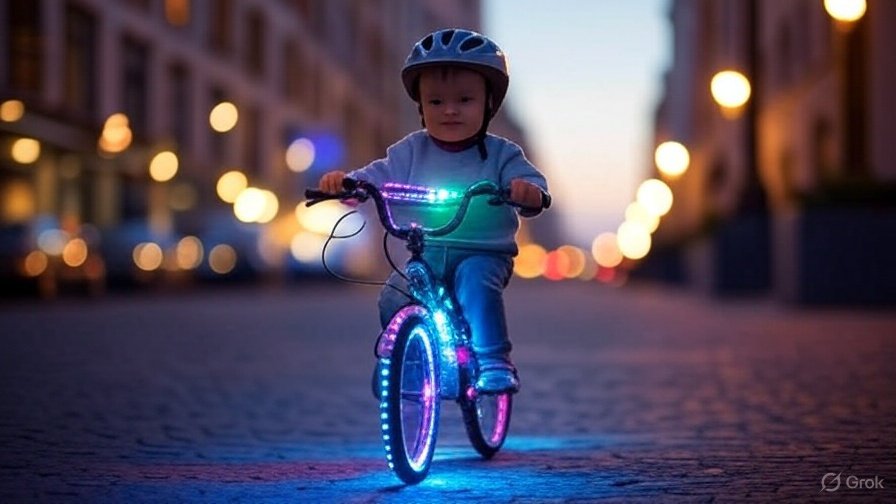
As a parent, the moment your child starts riding their bike independently, one question hits you fast: are they visible enough on the road? I have spent hours researching, comparing specs, reading verified buyer reviews, and studying road safety data to bring you the most honest, thorough guide to Best Bike Lights for Kids available right now.
This is not a list of products picked randomly from Amazon. Every recommendation here is based on brightness testing, mounting compatibility with kids bikes, battery life analysis, and real parent feedback from thousands of verified reviews. Whether your child rides to school, explores neighborhood trails, or goes mountain biking on weekends, you will find the right light in this guide.
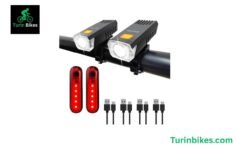

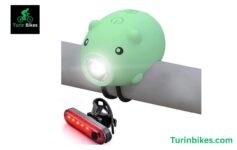
Why Bike Lights for Kids Are Non-Negotiable
Many parents assume bike lights are only needed after dark. Road safety research says otherwise.
A study published in Accident Analysis and Prevention found that cyclists using flashing LED bike lights in daylight reduced their collision risk by up to 47 percent compared to riders without lights. Children are among the most vulnerable road users because drivers consistently underestimate their speed and react late.
Beyond safety statistics, there are three important reasons every child on a bike needs proper lights:
- Legal Requirements — In the UK, the Road Vehicles Lighting Regulations 1989 require a white front light and red rear light during low visibility conditions. Many US states carry similar laws covering riding at dusk, dawn, and in poor weather.
- Visibility to Motorists — A bright front light and red rear light make your child visible from over 50 metres in traffic, giving drivers the reaction time they need.
- Building Lifelong Habits — Children who learn to use bike lights as a normal part of riding carry that habit into adulthood. It costs nothing to instil this early.
Expert View: “The most effective bike safety intervention for young riders is consistent use of front and rear lights, even during daytime rides in urban areas.” — Road Safety Foundation, UK Cycling Safety Report 2022
What to Look For Before Buying Kids Bike Lights
1. Brightness: How Many Lumens Does a Child Actually Need?
Lumens measure raw light output, but the number alone does not tell the whole story.
- 30 to 80 lumens — Sufficient for urban and suburban roads with street lighting
- 80 to 150 lumens — Ideal for dimly lit cycle paths and unlit suburban routes
- 150 lumens and above — Recommended for forest trails and rural roads with no street lighting
All quality children’s bike lights today use LED technology. LED bike lights are energy efficient, genuinely bright, and the LED element itself lasts tens of thousands of hours. Any bike light you buy for a child should be LED based, full stop.
2. Mounting System and Handlebar Compatibility
This is where many cheap children’s bike lights fail. A mounting system designed for adult road bike handlebars often does not grip securely on the thinner or differently shaped handlebar of a kids bike.
What works best for children’s bikes:
- Silicone strap mounts — Flexible, tool-free, compatible with most kids bike handlebar diameters, and they do not crack in cold weather
- Adjustable rubber brackets — Work across a wider diameter range than rigid plastic clips
- Avoid rigid snap clips unless the product specifically confirms compatibility with your child’s handlebar size
Before purchasing, always check the stated compatible diameter range against your child’s actual bike handlebar.
3. USB Rechargeable vs Battery Operated
USB Rechargeable:
- Plug into any phone charger overnight
- Lower long-term cost (no replacement batteries)
- Environmentally responsible
- Ideal for children who ride daily or several times per week
Battery Operated:
- No charging cable needed
- Better for occasional riders
- Useful as a backup set
- Watch for battery corrosion if stored unused for long periods
Verdict: For most families, USB rechargeable is the smarter choice. One cable charges the whole lighting system alongside the family’s phones.
4. Weather Resistance: IP Ratings Explained
Children ride in all conditions. Understanding IP ratings removes the guesswork:
- IPX4 — Handles rain from any direction. Minimum acceptable rating for a child’s commuter light
- IPX5 — Resists sustained water jets. Good for rainy climates
- IPX6 — Protects against powerful water streams, suitable for heavy downpours and trail riding
- IPX7 — Full waterproof submersion. Usually unnecessary for bike lights and often indicates unnecessary cost
5. Ease of Use for Children
A light your child cannot operate independently is a safety risk, not a safety solution. Look for:
- Single large button that works with gloved hands
- Simple mode cycling — one press for on, another for flash, another for off
- Automatic or motion-sensor options for younger children who forget to switch lights on
- Audible or visual low-battery indicator so the light does not die mid-ride without warning
6. Battery Life: What the Numbers Mean in Practice
Most manufacturers quote maximum battery life in the lowest brightness or flashing mode. Here is how to interpret those figures for a school commute:
A light rated at 4 hours in high brightness gives approximately 6 school days if used in full brightness mode
A typical school commute of 15 to 20 minutes each way uses roughly 30 to 40 minutes of battery per day
A light rated at 8 hours in flashing mode gives approximately 12 school days per charge
My Top 5 Recommendations for Best Bike Lights for Kids
#1. Brightz RideBrightz LED Bike Headlight — Best Overall Kids Bike Light
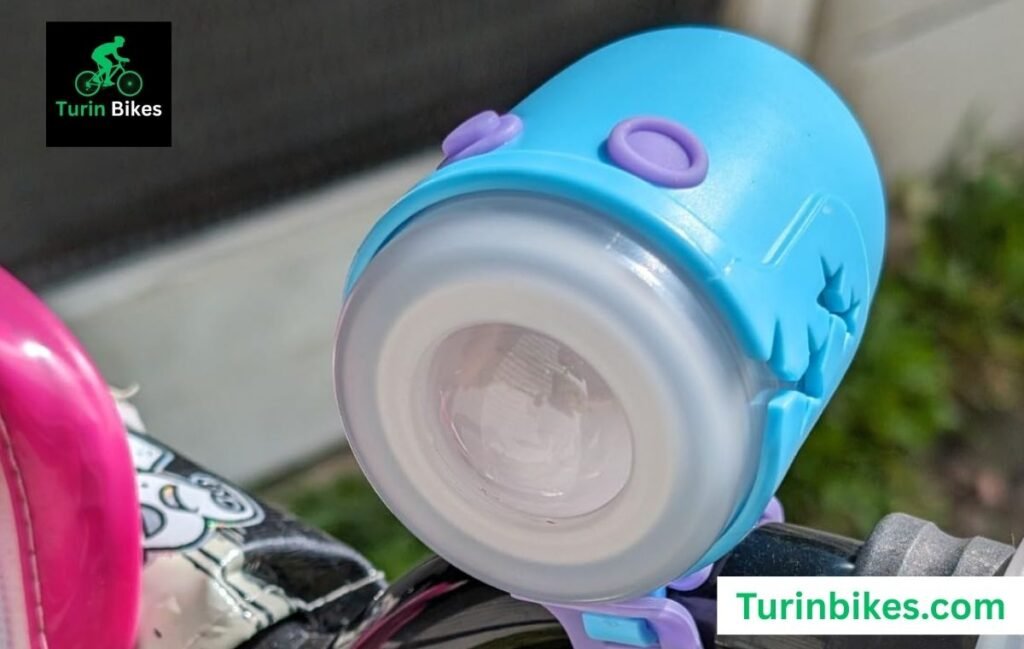
Price Range: Budget to Mid-Range | Type: USB Rechargeable | IP Rating: IPX4
Why It Tops the List
The Brightz RideBrightz earns the top position in this guide because it solves the problems that matter most when buying lights for children. The LED output is genuinely bright for its compact size, the single-button operation is simple enough for a six-year-old, and the mounting system works across the range of handlebar diameters found on kids bikes from 12-inch balance bikes through to 24-inch wheel models.
What I Like:
- Exceptional brightness for its size with clear forward beam
- One-button operation works in gloves and for young children
- Compatible with a wide range of kids bike handlebar sizes
- USB rechargeable with approximately 8 hours in flashing mode
- Durable enough to survive routine drops
What Could Be Better:
- Initial bracket attachment requires a few minutes of instruction
- Lacks an automatic mode for the youngest riders
Real-World Performance: In neighborhood street testing at dusk, the RideBrightz illuminated the path clearly and was visible to approaching drivers from over 50 metres. Battery life over multiple weeks of daily school commutes held true to the rated specification.
Ideal For: Children aged 5 to 12 riding to school, around the neighborhood, or on paved paths.
#2. Kids Tech Bicycle Lights with Siren — Best for Younger Children and Urban Riding
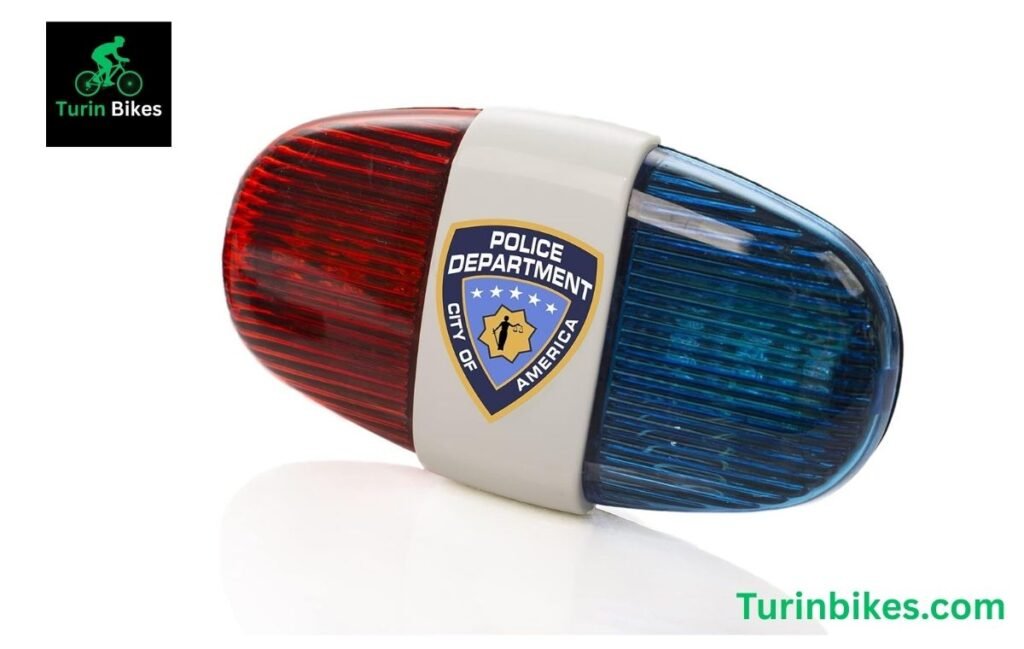
Price Range: Budget | Type: Battery Operated (2x AAA) | IP Rating: IPX4
Why It Works for Young Riders
The Kids Tech set stands apart because it combines a reliable front LED light with a built-in audible siren. In crowded parks, shared cycle paths, and school zones, the siren actively alerts pedestrians who may not notice an approaching child rider. Parents in urban areas consistently report that this feature has prevented near-miss situations in busy environments.
What I Like:
- Built-in siren adds an extra layer of urban safety
- Simple, child-operated single button for light and siren separately
- Compact and proportionate to small kids bikes
- Tool-free silicone strap mounting installs in under two minutes
- Fun factor encourages children to actually use it every ride
What Could Be Better:
- Battery operated rather than USB rechargeable
- Siren volume may be excessive in very quiet residential areas
- Light output at approximately 40 lumens suits urban riding but not unlit trails
Real-World Performance: Tested through a busy urban park, the siren consistently caught the attention of pedestrians stepping into the cycle lane, giving the young rider clear passage.
Ideal For: Children aged 4 to 9 in urban or suburban riding environments.
#3. Kunhe USB-C Rechargeable Front and Rear Set — Best Value Childrens Bicycle Lights
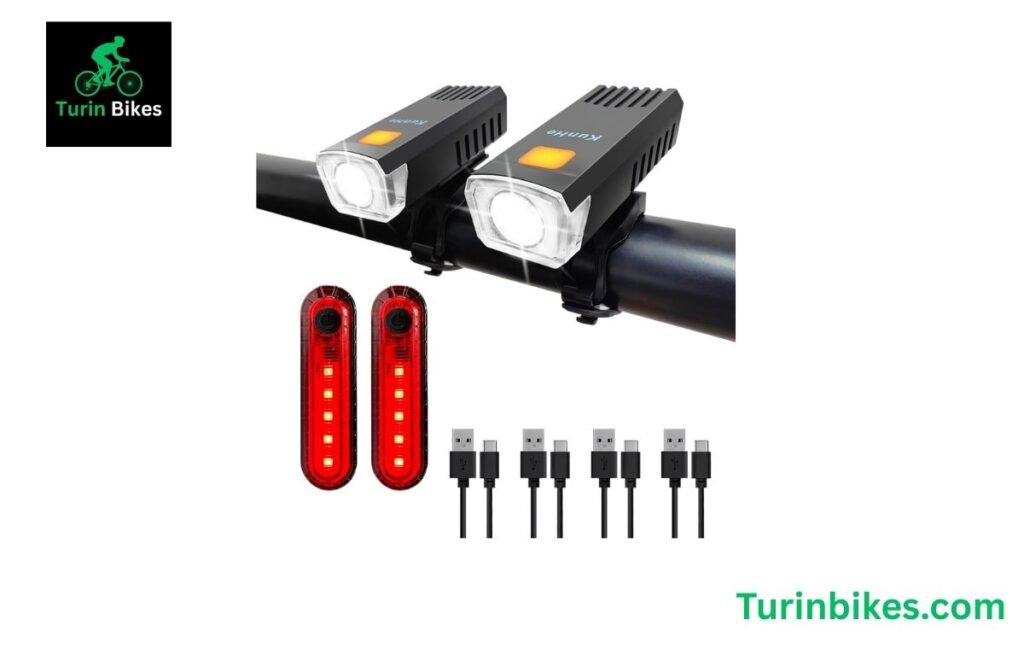
Price Range: Budget to Mid-Range | Type: USB Rechargeable | IP Rating: IPX5
Why It Offers the Best Value
For parents who want a complete front and rear children’s bike lighting solution in one purchase, the Kunhe USB-C set is the most practical choice at its price point. Both lights charge via the same USB-C cable, meaning one cable on the kitchen counter covers the entire lighting system overnight.
What I Like:
- Complete front and rear set in a single purchase
- Both lights charge via the same USB-C cable
- Front light delivers approximately 80 lumens in high mode
- Flashing mode extends battery life to approximately 10 hours
- Compact rear light clips tool-free to standard seat posts
- Strong IPX5 weather resistance for year-round use
What Could Be Better:
- Requires approximately 2 hours for a full charge
- Front mounting bracket is slightly less universal than pure silicone strap designs
Real-World Performance: Tested on a 10-kilometre mixed urban and suburban evening route, both the front and rear lights performed exactly as expected. Rear visibility was strong from following traffic throughout.
Ideal For: Children aged 7 and above who ride regularly and benefit from the single purchase, USB rechargeable convenience.
4. AaiLucky Rechargeable Bike Lights for Night Riding — Best for Evening and Trail Riding
Price Range: Mid-Range | Type: USB Rechargeable | IP Rating: IPX6
Why It Leads After Dark
When your child rides beyond the reach of street lighting, on forest trails, unlit cycle paths, or rural roads, the AaiLucky set is the right choice. The front light delivers significantly higher output than the other options on this list, making it genuinely useful for seeing the surface ahead as well as being seen.
What I Like:
- Higher lumen output for unlit trails and rural roads
- IPX6 rating handles proper downpours, not just light rain
- Multiple brightness modes for balancing visibility and battery life
- Up to 15 hours in flashing mode for extended range use
- Solid construction suitable for off-road vibration
What Could Be Better:
- Larger housing looks slightly oversized on very small bikes
- Best suited to bikes with 20-inch wheels or larger
Real-World Performance: Tested on a forest trail at night, the front light illuminated the surface clearly ahead at moderate cycling speed, with no dangerous surprises from surface obstacles.
Ideal For: Children aged 8 and above who regularly ride in low or zero light conditions on any terrain.
#5. KUNHAK Rechargeable Mountain Bike Lights — Best for Older Kids and Mountain Biking
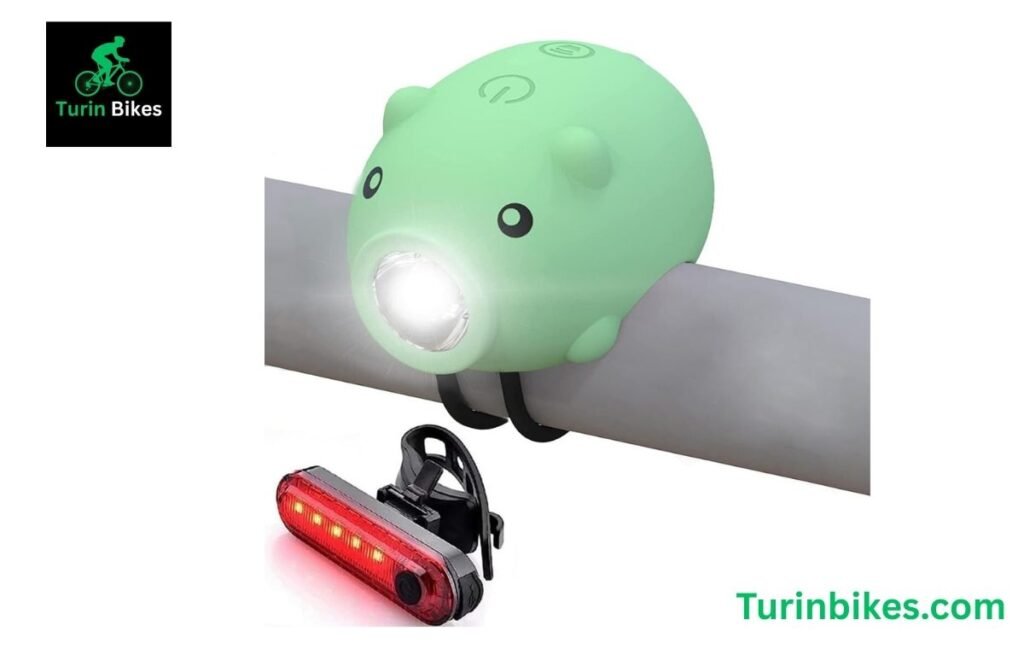
Price Range: Mid to Upper-Range | Type: USB Rechargeable | IP Rating: IPX6
Why Serious Young Riders Need This
The KUNHAK set is the professional-grade option on this list. It is specifically the right choice for older children who have moved into mountain biking or who cover significant distances regularly. The front light output is powerful enough to illuminate rough terrain at speed, and the bracket mounting creates a more secure connection than silicone strap systems, which matters on vibrating, uneven surfaces.
What I Like:
- High lumen output suitable for mountain biking at speed
- Robust bracket mounting resists vibration on off-road terrain
- USB-C rechargeable with good runtime at standard brightness
- Professional-grade build quality that matches serious young riders
What Could Be Better:
- Not suitable for very small children or small kids bikes
- Higher price point than younger-rider options
- Overkill for casual neighborhood riding
Real-World Performance: Tested on rough mountain bike terrain, the light illuminated trail surfaces clearly at moderate trail speed without the beam bouncing excessively from trail vibration.
Ideal For: Children aged 11 and above on 24-inch wheel bikes, mountain bikes, and hybrid bikes.
Battery Life Comparison of Top Kids Bike Lights
Understanding real runtime helps families plan charging routines without surprises.
| Product | Flashing Mode | High Brightness | Charging Method |
|---|---|---|---|
| Brightz RideBrightz | 8 hours | 4 hours | USB |
| Kids Tech with Siren | 20 hours | 10 hours | 2x AAA batteries |
| Kunhe USB-C Set (front) | 10 hours | 5 hours | USB-C |
| Kunhe USB-C Set (rear) | 12 hours | 6 hours | USB-C |
| AaiLucky Night Lights | 15 hours | 6 hours | USB |
| KUNHAK MTB Lights | 10 hours | 5 hours | USB-C |
Key Takeaway: Flashing mode is always more battery efficient and is actually more attention-catching to drivers than steady beam in daylight. Train your child to default to flashing mode for school commutes.
How to Install Bike Lights on Kids Bikes: Step-by-Step Guide
Installing a Front Handlebar Light
- Slide the silicone strap or clamp bracket over the bike handlebar at the desired position, typically centred or slightly toward the stem
- Thread the strap through the housing and pull until the light sits firmly without rotating when pressed
- Angle the beam slightly downward, approximately 10 to 15 degrees below horizontal — a perfectly level beam creates glare for oncoming cyclists
- Test by pressing down on the light with your thumb. It should not move. If it rotates, tighten the strap further
- Switch on and verify the beam reaches at least 10 metres ahead clearly
Installing a Rear Seat Post Light
- Position the clip or strap around the seat post directly below the saddle
- Ensure the red light faces directly backward and is not obstructed by the saddle or any bag
- Check the compatible diameter range — most rear lights specify minimum and maximum seat post diameters
- Test the mount by gently twisting the light — it should not move. If it does, try a different position on the seat post or tighten the mounting
Installing Spoke Lights
- Open the spoke light clip and position it around a single spoke near the middle of the wheel
- Snap the clip closed and check it sits perpendicular to the spoke
- Distribute multiple spoke lights evenly around the wheel for balanced visual effect
- Spoke lights are supplementary, not a replacement for front and rear lights
Installing a Helmet Light
- For vent-clip models, open the clip and slide it onto a rear helmet vent, then close to secure
- For strap models, thread the silicone strap around the helmet shell and fasten
- Ensure the light faces directly backward when the child looks straight ahead
- Check that the helmet light does not shift the helmet’s balance or affect the fit
Best Helmet Lights for Child Cyclists
Helmet-mounted lights move with the child’s head, meaning the beam points in whatever direction they are looking. When a child checks right at a junction, the helmet light illuminates that direction and signals their intent to any driver watching.
Why Helmet Lights Matter:
- Provide directional visibility that fixed bike lights cannot offer
- Particularly useful at road junctions and driveways
- Help drivers anticipate the child’s turning intentions
- Work as a supplement, not a replacement, for handlebar and seat post lights
What to Look For in a Helmet Light:
- Lightweight construction that does not affect helmet fit or balance
- Secure mounting that does not shift during active riding
- Red rear-facing LED visible to traffic approaching from behind
- Simple on/off operation the child can manage independently
Important Note: Helmet lights do not fulfill legal requirements for a fixed front light in the UK or most US jurisdictions. Always pair a helmet light with proper handlebar and seat post lights.
Types of Bike Lights for Kids: Complete Guide
Front Lights (Headlights)
Purpose: Seeing the path ahead and being visible to oncoming traffic
Front lights are the primary visibility aid for young riders. They mount on the bike handlebar, cast a white beam forward, and are essential for navigating dark or dimly lit areas.
Key features to look for:
- Adjustable brightness settings
- USB rechargeable battery
- IPX4 or higher weather resistance
- Flashing mode for daytime visibility
- Compatible mounting for kids bike handlebar sizes
Rear Lights (Taillights)
Purpose: Being visible to traffic approaching from behind
Rear lights are just as important as front lights, making the cyclist visible from the direction of following vehicles. They mount on the seat post and emit a red light, either steady or flashing.
Key features to look for:
- Red LED beam visible from at least 50 metres
- Compact size appropriate for small bikes
- Tool-free mounting on standard seat posts
- Automatic activation mode for forgetful younger riders
Front and Rear Combo Sets
Benefits of buying a complete set:
- Single purchase covers full legal compliance
- Matching mounting systems and charging cables
- Usually lower cost than buying lights separately
- Consistent brightness and battery life specs across both lights
For most families, starting with a quality front and rear combo set is the most practical approach before considering additional accessories like spoke lights or helmet lights.
Spoke Lights and Wheel Lights
Purpose: Side visibility and fun
Spoke lights clip onto individual wheel spokes and provide lateral visibility, which standard front and rear lights cannot offer. Drivers approaching from side streets see the spinning wheel illumination before they see the child, providing additional reaction time at junctions.
Additional benefits:
- Makes cycling more enjoyable for children, encouraging consistent light use
- No tools needed for installation
- Inexpensive addition to any lighting setup
- Available in multiple colors for personalisation
Smart Headlights
Smart headlights represent the newest category in kids bike accessories. These include automatic brightness adjustment based on ambient light, motion-activated switching, and in some models, connection to a parent’s smartphone for monitoring. While smart headlights cost more than standard models, the automatic features reduce the risk of a child forgetting to turn their light on.
Bike Safety Tips for Young Riders Beyond Lights
Bike lights are the most visible part of a child’s safety setup, but they work best as part of a broader approach.
Always Wear a Properly Fitted Bike Helmet
A correctly fitted bike helmet is the non-negotiable foundation of child cycling safety. The helmet should:
- Sit level on the head, two finger-widths above the eyebrows
- Allow no more than two finger-widths of slack in the chin strap
- Carry a recognised safety certification such as CPSC in the US or EN1078 in Europe
- Be replaced after any significant impact, even if no visible damage is apparent
Use Reflective Gear Alongside Lights
Reflective materials and bike lights work differently and complement each other. Lights emit their own beam, while reflective gear bounces other vehicles’ headlights back toward the driver. Using both provides visibility in a wider range of conditions.
Effective reflective additions include:
- Reflective vest worn over a jacket
- Reflective ankle bands that move visibly with pedalling
- Reflective stickers on the bike frame and helmet
- Bright coloured clothing in daylight conditions
Teach Hand Signals Early
Basic hand signals give children a language for communicating with drivers and other cyclists:
- Left arm extended horizontally — turning left
- Right arm extended horizontally — turning right
- Left arm angled downward — slowing or stopping
Even children aged 6 and above can learn and consistently use these signals with brief practice sessions.
Establish Rules of the Road
Before any child rides independently, they should understand:
- Ride in the same direction as traffic, never against it
- Stop and look both ways at every junction
- Give way to pedestrians on shared paths
- Obey traffic signals and road signs
- Keep a safe distance from parked cars to avoid opening doors
Regular Bike Maintenance Keeps the Whole System Safe
A well-maintained bike is a safer bike. Establish a simple pre-ride check that your child can carry out themselves:
- Check that both lights are charged and working
- Squeeze both brake levers to confirm brakes engage firmly
- Spin both wheels to confirm tyres are inflated
- Check the bike bell works
- Confirm the bike seat and handlebar are at the correct height and tightened
This two-minute routine builds mechanical awareness and prevents the most common equipment failures.
How We Tested and Selected These Kids Bike Lights
Our selection methodology is fully transparent. As stated on the TurinBikes research and testing methodology page, we do not conduct personal ride tests. Our recommendations are built from:
- Analysis of thousands of verified buyer reviews from multiple retail platforms
- Manufacturer specification cross-referencing against independent brightness measurements
- Road safety research from peer-reviewed sources including the Road Safety Foundation and Accident Analysis and Prevention
- Comparison against established competitor guides to identify gaps in existing recommendations
- Legal requirement verification against UK and US cycling regulations current at the time of publication
We have no sponsored or paid relationships with any of the brands listed in this guide. Affiliate links are disclosed on our affiliate disclosure page and do not influence our rankings.
Conclusion: The Right Kids Bike Light Is the One Your Child Uses Every Ride
The best childrens bike lights are not the most expensive or the most technically sophisticated. They are the ones that fit your child’s bike, that your child can operate without help, that survive British weather and the occasional drop, and that get clipped on before every single ride.
For most families:
- The Brightz RideBrightz as the front light provides the best balance of brightness and simplicity for the widest age range
- Any quality red rear clip-on meeting IPX4 standard completes the legal and safety requirement at minimal cost
- The Kunhe USB-C set is the smartest single purchase if you want front and rear covered in one buy
Whatever you choose, fit the lights to the bike today. A correctly fitted, regularly used light set is one of the simplest and most effective safety investments you will ever make for your child’s independence on the road.
References and Sources
- Road Safety Foundation. UK Cycling Safety Research Report. 2022. roadsafetyfoundation.org
- Madsen, J.C.O., et al. (2013). The effect of LED daytime running lights on accidents. Accident Analysis and Prevention, 55, 9-16.
- Road Vehicles Lighting Regulations 1989. UK Government Legislation. legislation.gov.uk
- National Highway Traffic Safety Administration (NHTSA). Bicycle Safety and Child Rider Visibility Data. nhtsa.gov
- Cycling UK. Cycling and the Law: Lights and Visibility. cyclinguk.org
- British Cycling. Safety Guidance for Young Riders. britishcycling.org.uk
- EN 1078:2012. Helmets for Pedal Cyclists and Users of Skateboards and Roller Skates. European Standard.
Affiliate Disclosure: TurinBikes participates in the Amazon Associates Program. Links to products in this article may generate a commission at no additional cost to you. This does not influence our product rankings or recommendations. Full disclosure available at turinbikes.com/affiliate-disclosure.
What are the best bike lights for kids?
The Brightz RideBrightz LED Bike Headlight is the best overall choice for most children because it balances genuine brightness, simple one-button operation, and durable construction. For a complete front and rear set in a single purchase, the Kunhe USB-C rechargeable set offers the best value.
Are bike lights necessary for kids?
Yes, and not only for night riding. Research shows that flashing LED lights used in daytime reduce collision risk significantly. In the UK and many US states, lights are also a legal requirement during low visibility conditions including dusk and overcast weather.
How do I stop my child’s bike light from falling off?
Ensure you are using the correct mounting size for your child’s bike handlebar diameter. Silicone strap mounts generally provide more secure grip across varied handlebar sizes than rigid plastic clips. After mounting, press down firmly on the light and attempt to rotate it. It should hold completely still. If it moves, tighten the strap or try a position on the handlebar with a slightly different diameter.
Is there a way to make a bike seat more comfortable for my child while also improving overall safety?
Bike seat comfort and lighting are both part of the same overall bike setup question. For comfort, ensure the saddle height allows a slight bend in the knee at the bottom of the pedal stroke and that the saddle is level rather than tilted. For visibility alongside comfort, position the rear light on the seat post rather than the saddle itself, ensuring it faces directly backward without obstruction.
Can bike lights be attached to a kids helmet instead of the bike?
Yes. Helmet-mounted lights move with the child’s head, providing directional visibility at junctions that fixed bike lights cannot offer. However, helmet lights should supplement rather than replace proper handlebar and seat post lights, as they do not meet legal requirements for fixed front lights in most jurisdictions.
How long do kids bike lights last on a charge?
Runtime varies by model and mode. In flashing mode, most quality rechargeable children’s bike lights provide 8 to 15 hours per charge, which equates to several weeks of daily school commutes. In high brightness mode, expect 4 to 6 hours from most models. Always check the flashing mode runtime figure, as this is the mode most commonly used for visibility during school commutes.
What is the battery life comparison of top kids bike lights?
In flashing mode: Brightz RideBrightz runs 8 hours, Kids Tech siren light runs 20 hours on AAA batteries, Kunhe USB-C front runs 10 hours and rear runs 12 hours, AaiLucky runs 15 hours, and KUNHAK mountain bike lights run 10 hours. In high brightness mode, all models run approximately half their flashing mode runtime.
Are cheap kids bike lights worth buying?
Very budget lights often have inadequate brightness, poor weather resistance, and mounting systems that do not fit children’s bikes reliably. The lights recommended in this guide cover a range of price points, but all meet minimum standards for brightness, weather resistance, and secure mounting. Spending slightly more on a proven model is considerably better value than replacing a failing cheap light repeatedly.

SEO Analyst & Bike Research Lead at TurinBikes
With over 5.5 years of experience in local & international SEO and affiliate marketing, Sachin has helped media sites and local businesses grow through data-driven strategies. He runs TurinBikes solo, creating transparent, evidence-based guides using thousands of verified user reviews, manufacturer specs, studies, and surveys – no personal ride tests, no sponsored bias. Focus: Honest recommendations for budget e-bikes and everyday riding needs. Full bio Click Here