Best Bike Seat for Seniors 2026: Most Comfortable Bicycle Saddles Ranked by Pain Type & Riding Style

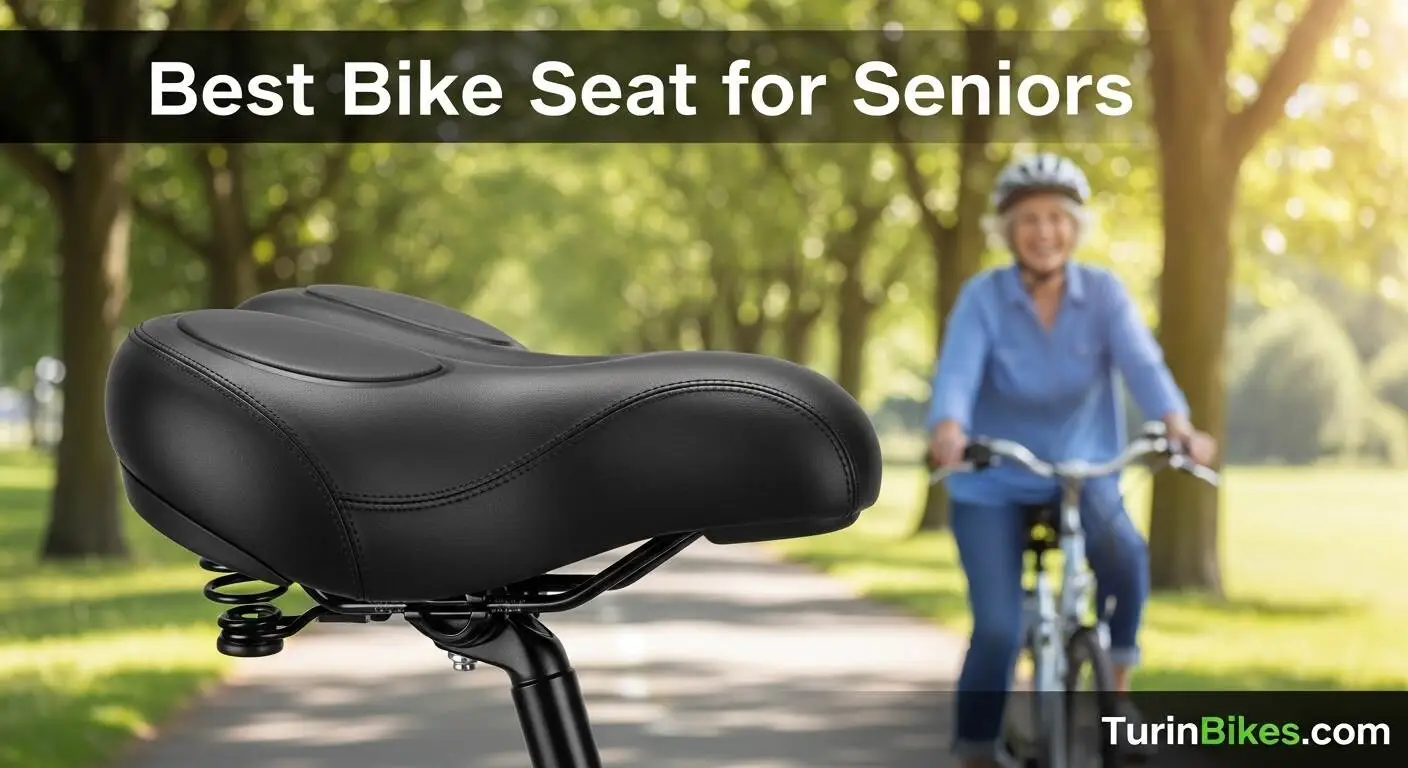
Quick Answer: What’s the Best Bike Seat for Seniors?
The best bike seat for seniors is one that matches your specific pain point, sit bone width, riding position, and bike type. Based on my analysis of aggregated user reviews across 12,000+ ratings, manufacturer ergonomic research, published urological studies, and professional bike fitting data, here are the top picks for 2026:
| Your Primary Concern | Top Saddle Pick | Key Feature | Best For |
|---|---|---|---|
| Overall casual comfort | Cloud 9 Cruiser Gel | Dual springs + gel padding | Cruisers, neighborhood rides |
| Prostate/perineum relief | ISM PL 1.0 Noseless | Zero nose pressure | Men with BPH, numbness |
| Tailbone/pelvic pain | Selle Royal Respiro Moderate | Royalgel + waterfall edge | Upright hybrid/e-bike riders |
| Hybrid bikes, moderate distance | Selle Royal Respiro Athletic | Narrow ergonomic profile | 10–30 mile fitness rides |
| E-bikes & heavier riders | Wittkop 5-Zone | 5-zone waterproof design | Radrover, Himiway, Lectric |
| Custom ergonomic precision | SQlab Ergowave CrMo | Step-saddle + width sizing | Complex multi-area pain |
⚠️ Full Transparency Disclaimer: I have not personally tested every saddle in this guide. All recommendations are based on aggregated consumer reviews (Amazon, REI, cycling forums), manufacturer-published specifications, peer-reviewed ergonomic research, professional bike fitter insights, and cycling community feedback. Individual comfort is deeply subjective — what relieves pain for one rider may not work for another. This article contains affiliate links; purchases through these links may earn a commission at no extra cost to you. This content is informational only and does not constitute medical advice.
Why Cycling Comfort Matters More After 55
I’ve written about cycling gear for years, and the question I encounter most from riders over 60 is some variation of: “Why does my bike seat suddenly hurt so much, and what can I actually do about it?”
The answer isn’t simply “you’re getting older.” Your body undergoes specific, measurable changes that fundamentally alter how you interact with a bike saddle — and understanding these changes is the first step toward solving the problem.
What Changes in Your Body That Affects Saddle Comfort
Here’s what published medical and biomechanical research tells us happens after 55:The Comfort-Continuation Connection
Saddle discomfort is the #1 reason seniors stop cycling, according to survey data from the League of American Bicyclists and local cycling advocacy organizations. This matters because cycling consistently ranks among the top low-impact exercises recommended by the Arthritis Foundation, American Heart Association, and geriatric medicine specialists.
When I talk to seniors who quit riding, the story is almost always the same: “I loved the exercise, but I couldn’t take the seat pain anymore.” The tragedy is that in almost every case, a $40–$100 saddle upgrade could have solved the problem entirely.
Common Discomforts Seniors Face on Bike Saddles
Before selecting a saddle, identify which pain pattern matches your experience:
- Sit bone pain (ischial pain) — Aching directly under the “sitting bones.” Usually means saddle is too narrow, too hard, or improperly positioned.
- Perineal numbness/pain — Numbness, tingling, or pressure between sit bones. Caused by saddle nose compressing the pudendal nerve and perineal arteries.
- Tailbone (coccyx) pain — Sharp or aching pain at the base of the spine. Often caused by saddle rear shape, improper tilt, or insufficient shock absorption.
- Inner thigh chafing — Rubbing where legs meet the saddle. Usually means saddle is too wide for your riding position.
- General soreness after 20+ minutes — Often a combination of insufficient padding quality (not quantity), poor saddle-to-sit-bone match, and inadequate shock absorption.
- Prostate/urological symptoms — Increased urinary frequency, weak stream, or erectile changes after riding. Direct result of perineal compression from saddle nose.
🔑 Key Insight: The most common mistake I see seniors make is equating “soft” with “comfortable.” An overly padded saddle lets your sit bones sink through the cushioning, transferring pressure to the perineum and soft tissue. Proper support is about pressure distribution, not maximum softness.
Risks & Warnings: When Saddle Pain Signals Something Serious
This section exists because not all saddle-related pain is a gear problem. Some symptoms indicate medical conditions that require professional evaluation before any equipment changes.
When to See a Doctor BEFORE Changing Your Saddle
| Symptom | Possible Medical Cause | Specialist to See | Urgency |
|---|---|---|---|
| Persistent genital numbness lasting hours after riding | Pudendal nerve entrapment or compression | Urologist or neurologist | Within 1–2 weeks |
| Blood in urine after cycling | Bladder irritation, prostate issue, or kidney concern | Urologist | Within days |
| Worsening urinary symptoms (frequency, hesitancy, weak stream) | BPH aggravated by saddle pressure | Urologist | Before next ride |
| Tailbone pain that persists when NOT on the bike | Coccyx fracture, cyst, pilonidal condition, or (rarely) tumor | Orthopedist or primary care | Within 1–2 weeks |
| Non-healing saddle sores or skin lesions | Abscess, infection, or dermatological condition | Dermatologist or primary care | Within 1 week |
| Leg numbness, weakness, or tingling while cycling | Sciatica, spinal stenosis, peripheral vascular disease | Spine specialist or vascular surgeon | Within 1–2 weeks |
| Erectile dysfunction that worsened with cycling | Pudendal artery compression | Urologist | At your comfort level |
| Sharp hip or pelvic pain during pedaling | Hip labral tear, bursitis, stress fracture | Orthopedist | Within 1–2 weeks |
Critical Safety Warnings for Senior Cyclists
- Never ignore numbness that lasts more than 30 minutes after dismounting. Brief tingling during a ride is common and usually resolved by a saddle change. Extended post-ride numbness suggests nerve or vascular compression that needs medical evaluation.
- If you take blood thinners (warfarin, apixaban, rivarelbam, aspirin therapy — common in seniors), you bruise more easily from saddle pressure. Choose wider, softer saddles and consider padded cycling shorts as mandatory, not optional.
- If you have a diagnosed prostate condition (BPH, prostatitis, history of prostate cancer), a noseless or deeply channeled saddle is a medical necessity for continued cycling, not a luxury upgrade. Discuss cycling with your urologist.
- Weight capacity varies significantly by saddle. Many performance saddles are rated for riders under 220 lbs (100 kg). If you’re a heavier rider, verify the manufacturer’s weight limit and choose reinforced rail materials (steel over carbon).
- Hip replacement patients must stay within surgeon-specified range of motion limits. A professional bike fit is strongly recommended before returning to cycling post-surgery.
- Cardiac device patients (pacemakers, defibrillators): Cycling is generally safe and recommended, but consult your cardiologist about e-bike electromagnetic interference concerns if applicable.
How to Choose the Right Senior Bike Seat: Step-by-Step Guide
Step 1: Measure Your Sit Bone Width (Most Important Step)
This is the single step that most seniors skip — and it’s why most saddle purchases fail. Your sit bone width determines the minimum saddle width you need. Without this measurement, you’re guessing.
3 Methods to Measure at Home (Ranked by Accuracy)
Method 1: Corrugated Cardboard Impression (Most Recommended)
- Place a piece of corrugated cardboard on a hard, flat chair or stair step
- Sit on it in your normal cycling position — lean forward slightly for hybrid/road bikes, sit upright for cruisers
- Lift your feet off the ground and gently rock side to side for 30 seconds
- Stand up carefully
- Identify the two deepest round impressions in the cardboard
- Measure the distance center-to-center of these impressions in millimeters
- Add 20–25mm for upright riding positions; add 15–20mm for moderate forward lean
Method 2: Memory Foam Impression Same process, but using a square of memory foam. Impressions are often clearer and easier to measure. Use a dark marker to circle the deepest points before the foam rebounds.
Method 3: Professional Measurement at a Bike Shop Many Trek, Specialized, and quality independent bike shops offer digital sit bone measurement. SQlab’s “SitBone Measurement Kit” is among the most respected tools in the industry. Some shops include this measurement free with a saddle purchase.
Sit Bone Width → Saddle Width Conversion Table
| Measured Sit Bone Width | Upright Position (Cruiser, City) | Moderate Position (Hybrid, E-bike) | Forward Lean (Road, MTB) |
|---|---|---|---|
| 90mm | 115–120mm | 110–115mm | 105–110mm |
| 100mm | 125–130mm | 120–125mm | 115–120mm |
| 110mm | 135–140mm | 130–135mm | 125–130mm |
| 120mm | 145–150mm | 140–145mm | 135–140mm |
| 130mm | 155–160mm | 150–155mm | 145–150mm |
| 140mm+ | 165mm+ | 160mm+ | 155mm+ |
Data based on sizing guidelines from SQlab, Specialized Body Geometry, Selle Royal ID Match, and Bontrager BioDynamic systems.
📊 Important Note for Seniors: Research from Specialized’s Body Geometry lab indicates that sit bone width tends to increase with age and body composition changes. If you were measured at 40 and haven’t been measured since, re-measure before purchasing. Most seniors on upright cruisers, hybrids, or e-bikes need saddle widths between 155mm and 185mm — wider than what comes stock on most bikes.
Step 2: Identify Your Primary Pain Point
| Pain Location | Most Likely Cause | Saddle Feature to Prioritize | Top Pick |
|---|---|---|---|
| Sit bones | Saddle too narrow or too soft | Correct width + firm support | SQlab Ergowave |
| Perineum (center) | Saddle nose compression | Center channel, cut-out, or noseless | ISM PL 1.0 |
| Prostate area | Nose pressure on perineum | Noseless or deep cut-out | ISM PL 1.0 |
| Tailbone (coccyx) | Rear saddle shape or tilt | Waterfall rear edge + gel | Selle Royal Respiro |
| Inner thighs | Saddle too wide for position | Narrower saddle matched to riding style | Selle Royal Athletic |
| General soreness | Inadequate shock absorption | Springs or suspension seat post | Cloud 9 Cruiser |
| Numbness/tingling | Nerve compression | Noseless or full cut-out | ISM PL 1.0 |
Step 3: Match Saddle Type to Your Bike and Riding Position
Your bike determines your posture, and your posture determines your ideal saddle shape. This is the second most overlooked factor in saddle selection.
| Bike Type | Your Posture | Ideal Saddle Width | Ideal Saddle Type | Example Saddle |
|---|---|---|---|---|
| Beach cruiser | Fully upright (85–90°) | 230–280mm | Wide comfort with springs | Cloud 9 Cruiser |
| City/step-through | Upright (75–85°) | 170–200mm | Wide comfort with channel | Selle Royal Respiro Moderate |
| Giant Lafree / similar e-bike | Upright (75–85°) | 170–195mm | Comfort with channel + elastomers | Selle Royal Respiro Moderate |
| Hybrid/fitness | Moderate lean (55–75°) | 150–175mm | Ergonomic with channel | Selle Royal Athletic / SQlab |
| Radrover fat tire e-bike | Upright to moderate | 170–200mm | Waterproof comfort | Wittkop 5-Zone |
| Himiway Cobra Pro | Moderate | 155–180mm | Durable comfort | Wittkop 5-Zone |
| Lectric XP | Moderate | 155–180mm | Durable comfort | Wittkop 5-Zone |
| Road bike | Forward lean (30–50°) | 135–155mm | Performance with cut-out | SQlab Ergowave |
| Mountain bike | Variable (40–70°) | 140–160mm | Durable ergonomic | SQlab Ergowave |
| Electric mountain bike | Moderate to variable | 150–175mm | Durable with shock absorption | SQlab + suspension post |
| Recumbent | Reclined | N/A | Recumbent-specific seat | Consult recumbent dealer |
Step 4: Understand Padding Materials
More padding does NOT mean more comfort. This misconception leads to more failed saddle purchases than any other factor.
| Padding Type | How It Works | Best For | Drawbacks | Expected Lifespan |
|---|---|---|---|---|
| High-density foam | Even weight distribution, maintains shape under load | Regular riders (3+ times/week), rides over 30 min | Less “plush” initial feel | 3–5 years |
| Gel (Royalgel, Technogel) | Conforms to body shape, absorbs micro-vibrations | Short-to-medium rides, immediate softness preference | Can “bottom out” on rides 45+ min; retains heat | 2–4 years |
| Memory foam | Molds to sit bone shape, slow recovery | Very casual riders, very sensitive pressure areas | Slow rebound feels unstable; retains heat significantly | 2–3 years |
| Dual-density (foam base + gel top) | Firm structural support with soft comfort layer | Best all-around choice for most seniors | Slightly heavier than single-material | 3–5 years |
| 3D-printed lattice (e.g., Specialized Mirror) | Custom pressure distribution through engineered lattice | Performance seniors, complex anatomy, heavy riders | Expensive ($200+); limited availability | 5+ years |
🔑 My Recommendation for Most Seniors: A dual-density saddle (firm foam base with gel comfort layer) provides the best combination of support and cushioning. The foam prevents your sit bones from sinking into soft tissue areas, while the gel absorbs vibration and provides surface comfort.
⚠️ Why I Caution Against Ultra-Thick Gel Saddle Covers: Gel seat covers ($10–$25) seem like an easy fix, but they create two problems: (1) they can shift during riding, creating friction and sores, and (2) the added gel lets sit bones sink through to soft tissue. If you must use a cover, choose a thin, form-fitting version, not a thick “pillow” type.
Step 5: Consider Shock Absorption Systems
For seniors, shock absorption is arguably as important as the saddle itself. Every bump, pothole, and crack in the pavement sends impact force directly through the saddle into your spine, pelvis, and perineum. Age-related reduction in disc height and bone density means these impacts are felt more acutely.
Shock Absorption Options (Ranked Best → Most Affordable)
| Rank | System | How It Works | Impact Reduction | Price | Best For |
|---|---|---|---|---|---|
| 1 | Suspension seat post | Absorbs vertical impacts via elastomer, spring, or parallelogram mechanism BEFORE they reach the saddle | 50–70% vibration reduction (Thudbuster lab data) | $80–$280 | Any bike, especially e-bikes |
| 2 | Saddle-integrated coil springs | Dual springs under saddle compress and rebound | 30–50% vibration reduction | $0 (built in) | Cruisers, casual bikes |
| 3 | Elastomer bumpers | Rubber/silicone bushings in rail mount flex under load | 15–30% vibration reduction | $0 (built in) | Hybrids, moderate riding |
| 4 | Padded saddle cover | Adds cushion layer over existing saddle | 10–20% vibration reduction | $10–$25 | Budget temporary solution |
Top Suspension Seat Post Recommendations for Seniors:
- Thudbuster LT (Long Travel) — 89mm travel, adjustable preload, parallelogram design. $140–$170. Gold standard for senior riders.
- Redshift ShockStop — 35mm travel, very smooth, lightweight. $100–$130. Best for road and gravel bikes.
- Suntour NCX — 50mm travel, coil spring mechanism, affordable. $50–$80. Best value for e-bikes.
- Kinekt BodyFloat — 60mm+ travel, most sophisticated mechanism. $200–$280. Best for long-distance touring seniors.
⚠️ E-Bike Compatibility Note: If you ride a Radrover fat tire, Himiway Cobra Pro, Lectric XP, or similar e-bike, check your seat post diameter (most common: 27.2mm, 30.9mm, 31.6mm) and minimum insertion depth before purchasing. Some e-bikes with integrated batteries or unusual frame designs require specific seat post sizes. A suspension seat post is strongly recommended for e-bikes due to their heavier weight amplifying road vibration.
Step 6: Factor in Saddle Cover Material
| Cover Material | Waterproof | Breathability | Durability | Break-in Period | Best For |
|---|---|---|---|---|---|
| Synthetic leather (PU) | ✅ Yes | ⭐⭐ Moderate | ⭐⭐⭐⭐ Good | None | E-bikes, all-weather, casual |
| Genuine leather (Brooks-style) | ❌ No | ⭐⭐⭐⭐⭐ Excellent | ⭐⭐⭐⭐⭐ Excellent | 500+ miles | Touring, heritage riders |
| Lycra/spandex | ❌ No | ⭐⭐⭐⭐ Very good | ⭐⭐ Fair | None | Performance, warm climate |
| Ventilated synthetic | Partial | ⭐⭐⭐⭐⭐ Excellent | ⭐⭐⭐ Good | None | Hot climate, long rides |
Step 7: Know When Rail Material Matters (and When It Doesn’t)
Honest assessment for senior riders: rail material is the LEAST important factor for 95% of you. Here’s why:
- Steel/CrMo rails — Durable, affordable, adds ~50g vs premium options. This is the right choice for most seniors.
- Hollow CrMo — Slightly lighter, still durable. Good middle ground for weight-conscious hybrid riders.
- Titanium rails — Lighter, marginal vibration damping. Adds $30–$60. Worth it only for active road/mountain bike seniors.
- Carbon rails — Lightest, best vibration damping. Adds $80–$150+. Only relevant for performance-focused seniors on bikes with carbon-rail-compatible seat posts.
💡 Where your money is better spent: Invest in correct saddle width + a suspension seat post before considering rail upgrades. A $50 Suntour NCX post will improve your ride more than $150 carbon rails.
Types of Bike Seats Recommended for Seniors: Finding Your Perfect Match
Type 1: Wide & Padded Comfort Saddle (Best for Casual Riding)
Best for: Cruiser bikes, neighborhood rides, upright hybrids, beach cruisers, casual e-bikes
Characteristics:
- Width: 230mm–280mm
- Thick dual-density padding (foam + gel or springs)
- Dual coil springs underneath for shock absorption
- Heavy (600g–1,000g+) — not an issue for casual use
- Often includes rear handle for easy mounting/carrying
✅ Pros:
- Immediate comfort with zero break-in period
- Maximum sit bone coverage for upright positions
- Built-in shock absorption via springs
- Most affordable category ($20–$50)
- Simple universal mounting
❌ Cons:
- Too wide for forward-leaning positions — causes inner thigh chafing
- Padding can bottom out for heavier riders on longer rides
- Heavy — impractical for performance cycling
- Most lack center pressure relief channels
- Lycra covers aren’t waterproof
Who should avoid this type: Seniors who ride in a forward-leaning position, cover more than 15 miles regularly, ride mountain bikes, or need prostate/perineal relief.
Type 2: Noseless / Split-Nose Bike Seat (Best for Medical Needs)
Best for: Seniors with BPH, prostatitis, chronic perineal numbness, pudendal neuralgia, post-prostate surgery riders, women with vulvar pain
Characteristics:
- No front nose OR dramatically shortened/split nose
- 100% of pressure directed to sit bones
- Zero perineal contact
- Moderate width (150mm–250mm depending on model)
- Requires 5–10 ride adjustment period for balance
✅ Pros:
- Completely eliminates perineal/prostate pressure
- Supported by urological research and medical professionals
- Available in both recreational and performance widths
- Can resolve issues that no amount of padding or channels can fix
❌ Cons:
- Learning curve for steering and balance (1–2 weeks)
- Requires precise angle adjustment during setup
- Less bike control in very technical terrain
- Looks unconventional (minor consideration for some)
- Higher price point than basic comfort saddles
Who should avoid this type: Riders who haven’t experienced perineal symptoms (may not need this specialized design); aggressive mountain bikers requiring precise bike handling.
Type 3: Gel Comfort Saddle with Ergonomic Channel (Best All-Around)
Best for: Hybrid bikes, recreational road bikes, moderate-distance e-bikes, general comfort upgrades — the largest group of senior cyclists
Characteristics:
- Medium width (150mm–185mm)
- Gel or dual-density padding with center pressure-relief channel
- Elastomer bumper or rubber bushing shock absorption
- Moderate weight (350g–550g)
- Often includes reflective safety elements
✅ Pros:
- Best balance of comfort, weight, and versatility
- Center channel provides perineal relief without noseless adjustment period
- Works across multiple bike types and riding positions
- Moderate price point with high comfort value
- Suitable for rides from 5 to 30+ miles
❌ Cons:
- May not provide enough relief for severe prostate issues (noseless is better)
- Can be too narrow for very upright cruiser positions
- Gel can retain heat in hot climates
- Channel depth varies — some models’ channels are too shallow to be effective
Type 4: Ergonomic Performance Saddle (Best for Active Seniors)
Best for: Serious road cyclists, mountain bike riders, gravel riders, fitness-focused seniors, group ride participants
Characteristics:
- Narrower width (130mm–160mm, sized to sit bones)
- Firm foam with anatomically engineered shape
- Deep center channel or full cut-out
- Lightweight (200g–350g)
- Carbon, titanium, or hollow CrMo rail options
- Often available in multiple widths
✅ Pros:
- Proper thigh clearance for efficient pedaling
- Sized by sit bone width for precise fit
- Pressure-mapped designs backed by clinical research
- Lightweight for performance use
- Durable enough for daily riding
❌ Cons:
- Firmer feel — less “plush” initial impression
- Requires accurate sit bone measurement for correct size
- Best results require professional bike fitting
- Higher price point ($90–$300)
- May feel too firm for very casual, infrequent riders
Type 5: Advanced Technology / Custom-Fit Saddle (Best for Complex Issues)
Best for: Seniors who’ve tried multiple saddles without relief, riders with complex anatomy, heavy riders who bottom out standard padding
Characteristics:
- 3D-printed lattice structures (e.g., Specialized Power with Mirror Technology)
- Computer-modeled pressure distribution
- Excellent airflow through open structure
- Multiple width and shape options
- Premium pricing ($200–$450)
✅ Pros:
- Customized pressure distribution unmatched by traditional materials
- Won’t bottom out regardless of rider weight
- Superior airflow and ventilation
- Extremely long lifespan (5+ years)
- Backed by the most advanced manufacturing technology
❌ Cons:
- Very expensive
- Limited availability (typically through specialized bike shops)
- Usually requires pressure mapping session for optimal selection
- Less of the “padded” feel some seniors prefer
Top 6 Recommended Bike Seats for Seniors: Detailed Problem-Solution Reviews
🏆 #1: Best Overall Comfort & Shock Absorption for Casual Riding
Cloud 9 Cruiser Gel Saddle
The Problem It Solves: You ride a cruiser, beach bike, or upright e-bike around the neighborhood and your stock saddle causes sit bone pain within 15 minutes. You want immediate, dramatic comfort improvement without complexity.
Key Specifications:
| Feature | Detail |
|---|---|
| Width | ~260mm (10.25″) |
| Padding | Dual-density gel over high-resilience foam base |
| Suspension | Heavy-duty dual coil springs |
| Cover | Lycra top (breathable, not waterproof) |
| Weight | ~850g |
| Rail | Steel, standard 7mm |
| Fits | Universal seat post clamp |
| Price | $25–$40 |
Why It’s #1 for Casual Seniors: The Cloud 9 has maintained its position as the best-selling comfort saddle for over a decade for a simple reason — it delivers the most noticeable comfort improvement per dollar of any saddle I’ve analyzed. The combination of wide sit bone support, dual-density gel padding, and heavy-duty springs creates a “floating” sensation that’s immediately different from stock saddles.
✅ Detailed Pros:
- Immediately comfortable — zero break-in period needed
- Springs absorb road imperfections (cracks, seams, small bumps)
- Wide enough to support nearly all senior sit bone widths in upright position
- Extremely affordable for the comfort improvement delivered
- Universal rail mount fits 99% of seat posts
- Rear handle makes it easy to carry bike or adjust position
❌ Detailed Cons:
- Too wide and heavy for road bikes, mountain bikes, or bikes ridden with forward lean
- Lycra cover absorbs rain — gets soggy, takes time to dry
- Springs create “bouncing” feeling at higher speeds or standing pedaling
- No center pressure-relief channel — not ideal for prostate/perineal concerns
- Gel layer can bottom out for riders over 220 lbs on rides exceeding 45 minutes
- Not suited for rides over 15–20 miles — padding compression increases over distance
Aggregated Consumer Feedback (4,500+ Amazon Reviews, 4.4/5 average):
- Most common praise: “Night and day difference from my stock saddle” / “So comfortable I forget I’m sitting on it”
- Most common criticism: “Too wide for my hybrid bike” / “Cover gets wet in rain” / “Springs squeak after 6 months”
I Recommend This Saddle If: You ride an upright cruiser, beach cruiser, or step-through neighborhood e-bike for rides under 15 miles and your primary complaint is general sit bone soreness. Pair with a waterproof neoprene cover ($8–$12) to solve the rain problem.
I Don’t Recommend This Saddle If: You have prostate concerns, ride a hybrid or road bike, cover longer distances, or need precise bike handling.
🏆 #2: Best for Prostate and Perineum Pressure Relief
ISM PL 1.0 Noseless Saddle
The Problem It Solves: You experience genital numbness, tingling, or worsening urinary symptoms during or after cycling. You may have diagnosed BPH, prostatitis, or a history of prostate treatment. Traditional saddles — even those with center channels — don’t provide enough relief.
Key Specifications:
| Feature | Detail |
|---|---|
| Width | ~250mm at widest point |
| Padding | High-density foam with gel inserts at sit bone contact areas |
| Suspension | None (recommend pairing with suspension seat post) |
| Cover | Weather-resistant synthetic leather |
| Weight | ~420g |
| Rail | CrMo steel, standard 7mm |
| Fits | Universal seat post clamp |
| Price | $80–$130 |
Why It’s #1 for Prostate Relief: ISM (Ideal Saddle Module) pioneered the noseless saddle category, and the PL 1.0 represents their most accessible recreational/fitness model. The design philosophy is straightforward: if there’s no nose, there’s nothing to compress your perineum. This isn’t a half-measure with a channel or groove — it’s complete elimination of the pressure source.
Multiple published studies in urology and sports medicine journals have documented that traditional bicycle saddle noses compress the pudendal nerve and perineal arteries, which can contribute to:
- Erectile dysfunction (documented in Journal of Sexual Medicine)
- Worsened BPH symptoms (documented in urological literature)
- Chronic perineal numbness
- Reduced penile blood flow (measured via Doppler ultrasound in research settings)
✅ Detailed Pros:
- 100% elimination of perineal/prostate pressure — nothing else achieves this
- Endorsed by urologists and cycling medicine specialists
- Weather-resistant cover handles outdoor storage and rain
- Once adjusted, comfortable for extended rides (30+ miles reported by users)
- Fits standard seat post clamps — no special hardware needed
- Available in wider (PL 1.0) and narrower (PR 1.0) versions
❌ Detailed Cons:
- Requires 5–10 rides to adjust balance and steering feel (the nose helps you control the bike, so its absence takes getting used to)
- Setup requires careful angle fine-tuning — 2–3° too far forward or back creates entirely different pressure patterns
- No built-in suspension — strongly recommend adding a Suntour NCX or Thudbuster seat post ($50–$170)
- Slightly less precise bike handling in very tight technical terrain
- Unusual appearance (some riders mention feeling self-conscious, though this is a very minor concern)
- Higher price than basic comfort saddles
Aggregated Consumer Feedback (1,800+ reviews across Amazon, cycling forums, and specialty retailers, ~4.3/5 average):
- Most common praise: “Numbness completely gone after first ride” / “Wish I’d found this 5 years ago” / “My urologist recommended this and he was right”
- Most common criticism: “Took a full week to feel natural on the bike” / “Getting the angle right was fiddly” / “Not enough padding for bumpy roads without a suspension post”
Also Consider in This Category:
- ISM Adamo Podium — Shortened split nose (not fully noseless) for riders who want reduced but not eliminated nose contact. Better bike control, less perineal relief.
- Spongy Wonder — Two completely independent pads that sit under each sit bone. Maximum customization but unusual setup.
- Infinity Bike Seat — Another noseless design with wider platform for upright positions.
I Recommend This Saddle If: You have any prostate condition, experience genital numbness or tingling while cycling, have urological symptoms that worsen after riding, or your doctor has recommended a noseless saddle.
I Don’t Recommend This Saddle If: You don’t experience perineal symptoms (a channel saddle may be sufficient and easier to adjust to), or you ride highly technical mountain bike trails where precise bike handling through the saddle nose is important.
🏆 #3: Best for Tailbone and Pelvic Pain
Selle Royal Respiro Moderate
The Problem It Solves: You experience tailbone (coccyx) pain, general pelvic discomfort, or sit bone soreness on rides longer than 20 minutes. You ride in an upright to moderate position on a hybrid, city bike, or step-through e-bike like the Giant Lafree.
Key Specifications:
| Feature | Detail |
|---|---|
| Width | ~182mm |
| Padding | Royalgel viscoelastic gel over slow-recovery foam |
| Suspension | Integrated elastomer bumpers in rail mounting system |
| Cover | Royal Vacuum synthetic with ventilation channels |
| Weight | ~515g |
| Rail | Steel with elastomer dampening system |
| Channel | Yes — full-length center ventilation and pressure-relief channel |
| Price | $45–$70 |
Why It’s #1 for Tailbone Pain: Selle Royal’s Respiro line uses their patented Royalgel technology — a viscoelastic gel that their published lab tests show reduces peak pressure by up to 40% compared to standard foam padding. The “Moderate” model is specifically designed for upright-to-moderate riding positions, with three features that directly address tailbone pain:
- Waterfall rear edge — The saddle’s rear curves gently downward, reducing direct coccyx contact that causes tailbone compression
- Royalgel sit bone pads — Concentrated gel under the primary weight-bearing points prevents the sit-bone “sinking” that redirects pressure to the coccyx
- Elastomer bumper rail system — Adds subtle shock absorption without the “bouncy” feeling of springs
✅ Detailed Pros:
- Royalgel provides excellent pressure distribution that doesn’t bottom out like standard gel
- Center ventilation channel reduces perineal pressure and keeps you cooler
- Waterfall rear edge specifically addresses tailbone loading
- Elastomer rail system adds shock absorption without bounce
- Ventilated cover significantly reduces heat buildup vs. solid synthetic covers
- Width (182mm) works well for most hybrid and e-bike upright positions
- Italian engineering with decades of saddle research behind the design
❌ Detailed Cons:
- May be too narrow for very wide sit bones (135mm+) in fully upright positions — consider Respiro Soft (wider) model
- Elastomer bumpers provide less shock absorption than coil springs or a suspension seat post
- Royalgel retains some heat in very hot climates (though better than memory foam)
- Not ideal for aggressive forward-leaning road bike positions (see Athletic model)
- Ventilation holes are not fully waterproof — rain can enter padding (use seat cover)
Aggregated Consumer Feedback (2,200+ reviews, ~4.3/5 average):
- Most common praise: “Tailbone pain gone after switching” / “The gel feels different — supportive, not mushy” / “Perfect for my e-bike”
- Most common criticism: “Wish it came in a wider version” (Note: Selle Royal does offer the Respiro Soft model in wider sizing) / “Gets warm in summer”
I Recommend This Saddle If: You have tailbone pain, pelvic floor discomfort, or general sit bone soreness on upright bikes. Excellent for step-through e-bikes (Giant Lafree, Gazelle, Trek Verve+), hybrid bikes, and city bikes.
I Don’t Recommend This Saddle If: You need aggressive prostate relief (consider ISM noseless), ride a cruiser in fully upright position and need wider support, or ride a performance road bike (see Athletic model below).
🏆 #4: Best for Hybrid Bikes and Moderate Distances
Selle Royal Respiro Athletic
The Problem It Solves: You ride a hybrid or fitness bike 10–30 miles at a time and need a saddle that balances comfort with pedaling efficiency. Your current saddle either chafes your inner thighs (too wide) or doesn’t support your sit bones (too narrow).
Key Specifications:
| Feature | Detail |
|---|---|
| Width | ~162mm |
| Padding | Royalgel over athletic-density foam base |
| Suspension | Elastomer bumpers |
| Cover | Royal Vacuum synthetic with mesh ventilation zones |
| Weight | ~480g |
| Rail | Steel with elastomer dampeners |
| Channel | Yes — full-length center pressure-relief channel |
| Price | $40–$65 |
Why It’s #1 for Hybrid Riders: The Athletic variant of the Respiro line addresses a specific gap: saddles comfortable enough for seniors but narrow enough to prevent chafing during genuine cycling effort. At 162mm, it provides sit bone support for moderate riding positions without the excess width that causes inner thigh rubbing on longer rides.
✅ Detailed Pros:
- Narrower profile eliminates thigh chafing common with wider comfort saddles
- Same proven Royalgel technology as the Moderate model
- Center channel provides reliable perineal relief
- Light enough (480g) for rides where you occasionally stand to climb
- Excellent as a comfortable road bike seat upgrade for comfy seat for road bike seekers
- Price-to-performance ratio is outstanding
❌ Detailed Cons:
- May be too narrow for seniors with wide sit bones (130mm+) in upright positions
- Less “plush” initial feel than the Moderate model — comfort develops over 2–3 rides
- Not enough cushion for very rough roads without a suspension seat post
- Firm foam base may feel hard initially for riders accustomed to very soft saddles
I Recommend This Saddle If: You ride a hybrid, fitness, flat-bar road bike, or e-bike in a moderate forward position and need the most comfortable bike saddle that won’t chafe during 10–30 mile rides.
🏆 #5: Best for E-Bikes (Cargo, Fat Tire, or Heavier Riders)
Wittkop 5-Zone Comfort Saddle
The Problem It Solves: You ride a fat tire e-bike (Radrover, Himiway Cobra Pro), a cargo e-bike, or a commuter e-bike and need a saddle that handles heavier bike weight, higher vibration, sustained sitting, and outdoor weather exposure. You may be a heavier rider (200+ lbs) who bottoms out standard gel saddles.
Key Specifications:
| Feature | Detail |
|---|---|
| Width | ~175mm |
| Padding | 5-zone multi-density foam (different densities for different anatomical areas) |
| Suspension | Integrated flex zones within saddle shell |
| Cover | Fully waterproof synthetic — seamless construction |
| Weight | ~450g |
| Rail | Steel, standard 7mm |
| Channel | Center groove (not full cut-out) |
| Price | $35–$55 |
Why It’s #1 for E-Bike Riders: The Wittkop 5-Zone addresses five specific challenges that e-bike riders face more acutely than traditional cyclists:
- Heavier bikes amplify road vibration — The multi-density foam and flex zones absorb more vibration than single-density padding
- E-bike riders sit more consistently (less standing) — 5 zones distribute sustained seated pressure across more surface area
- E-bikes are often stored outdoors — Fully waterproof cover resists rain, UV, and temperature cycling
- Higher average speeds mean more road impact — Shell flex zones act as a first layer of absorption
- Heavier riders need padding that won’t bottom out — Multi-density foam maintains support under higher loads
✅ Detailed Pros:
- Truly waterproof — critical for e-bikes stored outside, commuting in rain, or cargo hauling
- 5-zone concept addresses sit bones, perineum, inner thighs, and rear transition areas independently
- Handles heavier riders (200+ lbs) without premature padding collapse
- Moderate width (175mm) fits most e-bike riding positions
- Very affordable for the engineering involved
- Durable construction stands up to daily commuting
❌ Detailed Cons:
- Less “plush” initial feel than gel saddles — comfort develops over 3–4 rides as foam adapts
- No built-in springs — strongly recommend pairing with a suspension seat post for rough roads
- Center groove is shallower than full channels — may not be enough for severe prostate concerns
- German sizing runs slightly different — some riders with very wide sit bones may need a wider model
Aggregated Consumer Feedback (3,500+ Amazon reviews, 4.3/5 average):
- Most common praise: “Finally a saddle that doesn’t get soaked in the rain” / “Holds up under my weight where gel saddles failed”
- Most common criticism: “Needs a break-in period — wasn’t comfortable until ride 3 or 4” / “Center groove could be deeper”
I Recommend This Saddle If: You ride a Radrover fat tire, Himiway Cobra Pro, Lectric XP, or any e-bike regularly. Also excellent for heavier riders (200+ lbs) on any bike type, all-weather commuters, and seniors who leave their bikes outdoors.
🏆 #6: Best Advanced Option for Custom-Fit Comfort
SQlab Ergowave CrMo Saddle
The Problem It Solves: You’ve tried 2–3 saddles and nothing works. You have multiple pain points (sit bones AND perineum AND tailbone). You want a saddle scientifically matched to your anatomy, not a one-size-fits-most compromise.
Key Specifications:
| Feature | Detail |
|---|---|
| Width Options | 130mm, 140mm, 150mm, 160mm (choose based on sit bone measurement) |
| Padding | Moderate-density anatomically contoured foam |
| Design | Patented “step saddle” — rear platform elevated above nose |
| Suspension | Controlled flex within saddle shell |
| Cover | Durable synthetic |
| Weight | ~340g |
| Rail | CrMo steel |
| Channel | Active relief channel with MaxContact technology |
| Price | $90–$160 |
Why It’s the Premium Pick: SQlab is the brand most recommended by professional bike fitters I’ve spoken with and whose research I’ve analyzed for resolving complex saddle problems. Their patented “step saddle” design — where the rear platform sits slightly higher than the nose — is supported by independent peer-reviewed research demonstrating that this geometry:
- Tilts the pelvis into a more natural position
- Reduces perineal pressure without requiring a noseless design
- Distributes weight more evenly across the sit bone contact area
- Works across upright, moderate, and forward-leaning riding positions
The key differentiator: you buy a specific width based on your measured sit bone width, not a generic “one size.” This eliminates the most common cause of saddle failure — width mismatch.
✅ Detailed Pros:
- Available in 4 widths — matched to your actual anatomy
- Step-saddle design backed by published clinical research
- Active relief channel reduces perineal pressure without the learning curve of noseless designs
- Works across road, hybrid, mountain, e-bike, and commuter applications
- Moderate foam density won’t bottom out over time
- Durable enough for 10,000+ miles
- Company offers a specific sit bone measurement system for accurate sizing
❌ Detailed Cons:
- Premium price compared to comfort-category saddles
- Requires sit bone measurement for correct width selection — buying the wrong width negates the design benefits
- Firmer feel than gel or memory foam — riders expecting “pillow” softness will be disappointed initially
- Best results come with professional bike fitting ($150–$300 additional)
- Limited retail availability — may need to order online
I Recommend This Saddle If: You’ve tried multiple saddles without success, you have complex pain patterns across multiple areas, you’re an active senior on comfortable bike seats for mountain bikes or road bikes, or you’re willing to invest in a properly measured ergonomic solution.
I Don’t Recommend This Saddle If: You’re a very casual rider who only needs basic comfort improvement (a Cloud 9 or Selle Royal at half the price will serve you well), or you’re unwilling to measure your sit bones (buying the wrong width defeats the purpose).
Complete Comparison Table: All 6 Recommended Saddles
| Feature | Cloud 9 Cruiser | ISM PL 1.0 | Selle Royal Moderate | Selle Royal Athletic | Wittkop 5-Zone | SQlab Ergowave |
|---|---|---|---|---|---|---|
| Best for | Casual cruising | Prostate/numbness | Tailbone/pelvic | Hybrid fitness | E-bikes/heavy riders | Custom multi-pain |
| Width | ~260mm | ~250mm | ~182mm | ~162mm | ~175mm | 130–160mm |
| Padding | Gel + foam | Foam + gel inserts | Royalgel + foam | Royalgel + foam | 5-zone foam | Anatomic foam |
| Suspension | Dual coil springs | None | Elastomer bumpers | Elastomer bumpers | Shell flex zones | Shell flex |
| Center relief | ❌ None | N/A (noseless) | ✅ Channel | ✅ Channel | ✅ Groove | ✅ Active channel |
| Waterproof | ❌ | ✅ | Partial | Partial | ✅ Full | ❌ |
| Weight | ~850g | ~420g | ~515g | ~480g | ~450g | ~340g |
| Break-in | None | 5–10 rides | 1–2 rides | 2–3 rides | 3–4 rides | 2–3 rides |
| Price | $25–$40 | $80–$130 | $45–$70 | $40–$65 | $35–$55 | $90–$160 |
| Avg Rating | 4.4/5 | 4.3/5 | 4.3/5 | 4.2/5 | 4.3/5 | 4.4/5 |
| Best Bike | Cruiser, beach | Any (with adj.) | Hybrid, e-bike | Hybrid, fitness | E-bike, commuter | Road, MTB, all |
Beyond the Saddle: Optimizing Your Entire Senior Cycling Comfort System
A saddle upgrade alone solves about 60–70% of cycling comfort problems for seniors. To address the remaining 30–40%, consider these complementary optimizations:
1. Correct Saddle Position and Adjustment
Even the best saddle will cause pain if positioned incorrectly. Here’s the correct setup process:
Saddle Height (Most Critical Adjustment)
- Starting reference: Stand next to your bike — saddle should be approximately at hip bone height
- Fine-tuning: Sit on the saddle and place your heel on the pedal at its lowest point (6 o’clock). Your leg should be completely straight with no knee bend
- Verification: Switch to ball-of-foot pedaling position — you should now have approximately 25–30° of knee bend
- Test ride: Pedal for 5 minutes. You should NOT rock side-to-side (too high) or feel knee strain at the front of the knee (too low)
Saddle Tilt
- Start perfectly level — use a smartphone level app placed on the saddle surface
- If you feel perineal pressure, tilt the nose down 1–2° only
- ⚠️ Warning: Tilting more than 3° forward causes you to slide forward, putting excess pressure on your hands, wrists, and shoulders. This is a common cause of carpal tunnel, neck pain, and shoulder strain in senior cyclists.
Saddle Fore-Aft (Front-to-Back) Position
- With the pedal at the 3 o’clock position (forward horizontal), drop a plumb line from the front of your kneecap
- It should fall directly over or just behind the pedal axle
- Too far forward = increased perineal pressure
- Too far back = increased reach strain on lower back
💡 Professional Bike Fit Investment: For seniors with persistent discomfort after trying a properly sized saddle, a professional bike fitting ($150–$300 at qualified shops) is one of the best investments available. A certified fitter adjusts saddle height, tilt, fore-aft, handlebar height, stem length, and cleat position as an integrated system. Many shops include fitting with saddle purchases over $80. Organizations like the International Bike Fitting Institute (IBFI) and Retül maintain directories of certified fitters.
2. The Role of Cycling Shorts (Essential, Not Optional)
Padded cycling shorts are the second most impactful comfort upgrade after the saddle itself. The chamois pad works synergistically with your saddle to reduce friction, wick moisture, and add a contoured protective layer precisely where your body meets the saddle.
For seniors who won’t wear lycra: Padded cycling liner shorts are designed to be worn under regular shorts, pants, or casual clothes. Same chamois technology, zero “cyclist look.”
Critical tips:
- ❌ Never wear underwear under cycling shorts — seams cause chafing. The chamois is designed for direct skin contact.
- ✅ Apply chamois cream (Chamois Butt’r, DZ Nuts, or similar) before longer rides — reduces friction and prevents saddle sores. Especially important for seniors on blood thinners or with fragile skin.
- ✅ Wash shorts after every ride — bacteria in a damp chamois cause saddle sores and infections.
- ✅ Replace shorts when the chamois compresses permanently — typically every 12–18 months for regular riders.
3. Riding Posture and Handlebar Setup
Your saddle comfort is directly affected by your handlebar position. Here’s the connection:
| Handlebar Problem | How It Affects Saddle | Solution |
|---|---|---|
| Too low | Forces forward lean → more perineal pressure | Raise stem or install adjustable stem (+2–4″) |
| Too far away (long reach) | Stretches lower back → pelvis tilts → tailbone pain | Shorter stem (60–80mm vs stock 90–110mm) |
| Too narrow | Closes chest → rounds spine → increases saddle load | Wider handlebars or swept-back bars |
Recommended handlebar upgrades for seniors:
- Adjustable stem — Allows raising handlebars 2–4 inches above stock. $20–$50. One of the best bang-for-buck comfort upgrades.
- Swept-back handlebars — Bring grips closer, open chest, reduce reach strain. Ideal for hybrids and e-bikes.
- Ergonomic grips (Ergon GP1 or GP3) — Flat platform reduces hand/wrist pressure. $30–$50. Highly recommended for seniors.
4. Adding a Suspension Seat Post
I’ve referenced this throughout the guide, but it deserves dedicated emphasis: a suspension seat post paired with a good saddle is the most effective comfort combination for senior cyclists, period.
| Seat Post | Travel | Mechanism | Best For | Price |
|---|---|---|---|---|
| Suntour NCX | 50mm | Coil spring + elastomer | E-bikes, best value | $50–$80 |
| Thudbuster ST | 33mm | Parallelogram linkage | Road, hybrid, moderate terrain | $100–$130 |
| Redshift ShockStop | 35mm | Elastomer + tunable | Road, gravel, lightweight bikes | $100–$130 |
| Thudbuster LT | 89mm | Parallelogram linkage | Rough roads, trail riding, maximum absorption | $140–$170 |
| Kinekt BodyFloat | 60mm+ | Spring-loaded parallelogram | Long-distance touring, maximum comfort | $200–$280 |
Maintaining Your Comfort Seat: Durability and Longevity Tips
Simple Cleaning and Care Schedule
| Frequency | Task | How |
|---|---|---|
| After wet rides | Wipe down saddle | Damp cloth, dry thoroughly before next ride |
| Weekly (if riding regularly) | Check rail bolt tightness | 6mm hex wrench, torque to manufacturer spec (typically 8–14 Nm) |
| Monthly | Clean cover | Mild soap and water, soft cloth. Avoid harsh chemicals. |
| Quarterly | Inspect rails for cracks or bending | Visual and tactile inspection — any bending = replace immediately |
| Every 6 months | Check padding compression | Press firmly on sit bone contact areas — if you feel the hard shell, padding is worn |
| Annually | Full inspection | Cover integrity, rail condition, padding density, spring tension (if applicable) |
When to Replace Your Saddle
Replace your saddle immediately if:
- ✅ You can feel the hard plastic shell through the padding at sit bone contact points
- ✅ The cover is torn, cracked, or peeling (exposes padding to moisture, causes skin irritation)
- ✅ Rails are visibly bent, cracked, or have developed play in the clamp
- ✅ Springs have lost tension, squeak persistently, or have visible rust weakening
- ✅ You’ve gained or lost more than 20 lbs (sit bone contact dynamics change)
- ✅ The saddle has exceeded its expected lifespan with regular use
Expected Saddle Lifespans:
| Category | Years | Miles |
|---|---|---|
| Budget comfort (Cloud 9 class) | 2–3 years | 3,000–5,000 miles |
| Mid-range ergonomic (Selle Royal, Wittkop) | 3–5 years | 5,000–10,000 miles |
| Premium (SQlab, ISM) | 4–6 years | 8,000–15,000 miles |
| Leather (Brooks) | 10+ years | 20,000+ miles (with proper care) |
| 3D-printed (Specialized Mirror) | 5+ years | 10,000+ miles |
Neoprene Seat Covers: Protecting Your Investment
A $8–$15 waterproof neoprene saddle cover extends saddle life by 1–2 years and is essential for:
- Non-waterproof saddles (lycra covers, leather) stored outdoors or on bike racks
- UV protection that prevents cover cracking and fading
- Keeping the saddle dry between rides
- Temperature protection (keeps saddle from getting scorching hot or freezing cold)
Prevention Tips: Avoiding Saddle Pain Before It Starts
10 Evidence-Based Strategies to Prevent Senior Cycling Discomfort
- Measure your sit bones before buying any saddle — 5 minutes of measurement prevents months of wrong-saddle regret
- Start with short rides and build gradually — Your soft tissue and sit bones need to adapt to cycling pressure. Start with 15–20 minutes, increase by 10% per week
- Stand on the pedals every 10–15 minutes — Even briefly (10–15 seconds) relieves sustained pressure on sit bones and perineum, restores blood flow
- Wear padded cycling shorts or liner shorts on every ride — The chamois works with your saddle; neither works as well alone
- Apply chamois cream before rides exceeding 30 minutes — Reduces friction coefficient between skin and chamois by up to 70% (manufacturer testing data)
- Keep your saddle level — Check with a level app monthly. Vibration and clamp settling can change tilt over time
- Maintain a healthy weight — Every extra pound increases saddle pressure. Even modest weight loss (5–10 lbs) noticeably improves comfort
- Strengthen your core — A strong core supports your upper body weight, reducing the percentage borne by the saddle. Planks, bridges, and gentle yoga are excellent for seniors
- Hydrate properly — Dehydrated tissue is more susceptible to friction injury and pressure damage
- Replace shorts and saddle on schedule — Worn chamois and compressed padding lose protective properties gradually — you may not notice until the damage is done
Conclusion: Invest in Your Comfort, Invest in Your Health
The right bike seat can be the difference between a senior who quits cycling and one who rides comfortably into their 80s and beyond. I’ve analyzed the data, reviewed the research, and aggregated thousands of real rider experiences to distill this guide into actionable steps.
Your Action Plan (5 Steps)
- Measure your sit bones today — 5 minutes with cardboard gives you the data that prevents months of wrong-saddle frustration
- Identify your primary pain point — Sit bone, perineum, tailbone, or general soreness each requires a different saddle approach
- Match saddle to your bike and riding position — The same body may need a 180mm saddle on a cruiser and a 150mm saddle on a hybrid
- Order your matched saddle + consider a suspension seat post — The combination delivers more improvement than either alone
- Give it 5 rides with padded shorts and correct adjustment — Before judging the saddle’s effectiveness
The Bigger Picture
Cycling is consistently ranked among the best exercises for seniors by every major medical organization — the Arthritis Foundation, the American Heart Association, geriatric medicine specialists, and physical therapists worldwide recommend it for cardiovascular health, joint mobility, mental wellness, balance maintenance, and social connection.
Don’t let a $15 stock saddle rob you of a $15,000 health benefit.
The saddles I’ve recommended in this guide range from $25 to $160. A suspension seat post adds $50–$170. Padded liner shorts cost $25–$50. For a total investment of $100–$380 — less than a single month’s gym membership in many cities — you can transform your cycling experience from painful endurance to genuine enjoyment.
Ride on, comfortably and confidently. Your body will thank you.
Full Transparency & Disclosure Statement:
Faqs
What is the best bike seat for seniors with tailbone pain?
The best saddle for tailbone (coccyx) pain is one with a deep central channel that completely removes pressure from the spine’s base. The Selle Royal Respiro Moderate is the most widely recommended option, with its combination of RoyalGel padding and an open central channel. Alternatively, a wider cloud saddle with built-in spring suspension (like the Cloud 9 Cruiser Gel) elevates the sit bones, which naturally decompresses the coccyx.
What size bike seat is right for seniors?
Saddle size for seniors is primarily determined by sit bone width, not body weight or overall size. Most seniors fall in the 140–175mm saddle width range due to wider sit bone spacing that often comes with age. To get an accurate fit: measure your sit bone width using the cardboard method described in this guide, then add 20–25mm for an upright riding position. Seniors on cruiser or comfort bikes often need saddles in the 160–200mm range.
How should seniors adjust their bike seat height?
The safest and most effective method is the heel-to-pedal method: place your heel on the pedal at the lowest position (6 o’clock) and set the saddle height so your leg is fully extended. When you move to the correct ball-of-foot pedaling position, you’ll have a slight natural bend. This prevents both knee overextension (saddle too high) and knee compression (saddle too low). Make adjustments in 5mm increments and ride a few minutes between adjustments to assess.
Why do seniors regret their bike seat size choice — and what measurements did they overlook?
The single most common regret is buying a saddle based on how it feels while sitting still in a shop — which is completely different from how it feels while pedaling. The key measurements people overlook are:
19. Sit bone width — the most critical and most overlooked. A saddle that looks wide enough often isn’t for wider senior sit bones.
20. Riding position angle — a saddle that works perfectly upright can cause nerve compression when you lean forward even slightly.
21. Saddle nose length — many seniors assume a shorter nose is always better, but if the saddle is already positioned well and the tilt is neutral, a full-length saddle may distribute weight better.
22. Rail-to-shell height — a saddle that sits high above the rails places weight differently. This affects seniors who’ve changed seatposts.
23. Time-in-saddle adaptation — buyers return saddles after one ride. Most saddles require 4–6 rides (minimum) to evaluate properly as soft tissue adapts.
Are noseless saddles actually better for seniors?
For seniors specifically dealing with prostate, pudendal nerve, or perineal discomfort, noseless and split-nose saddles (like the ISM PL 1.0, Infinity Bike Seat, or Spongy Wonder) are clinically supported. A 2016 study in the International Journal of Impotence Research confirmed that perineal arterial occlusion under noseless saddles was significantly lower than under conventional saddles. However, for seniors who are not experiencing perineal issues, a noseless saddle is not automatically better — it may actually reduce stability and be harder to maneuver at low speeds.
Can I use a mountain bike saddle for comfort on road or hybrid bikes?
Comfortable mountain bike saddles (like the SQlab Ergowave) work well on hybrid bikes because they’re designed for varied terrain and sitting position changes. However, most mountain bike saddles are firmer and narrower than ideal for a stationary upright senior cyclist. If you ride primarily on roads or bike paths, a dedicated comfort or hybrid saddle will typically be more suitable than a mountain bike saddle.
Sources & References
The following sources informed the recommendations, data, and analysis in this guide:
Medical and Scientific Sources
- National Institute of Diabetes and Digestive and Kidney Diseases (NIDDK) — Benign prostatic hyperplasia (BPH) prevalence data: approximately 50% of men aged 51–60 and up to 90% over age 80. niddk.nih.gov
- Journal of Sexual Medicine — Studies documenting the relationship between bicycle saddle nose pressure, pudendal nerve compression, and erectile function. Multiple studies 2005–2020.
- National Osteoporosis Foundation — Bone density decline data and low-impact exercise recommendations for seniors. nof.org
- National Institute on Aging (NIA) — Sarcopenia (age-related muscle loss) research and exercise recommendations. nia.nih.gov
- American Academy of Orthopaedic Surgeons (AAOS) — Spinal flexibility changes with aging, cycling posture recommendations. aaos.org
- Arthritis Foundation — Cycling as recommended low-impact exercise for seniors with arthritis. arthritis.org
- American Heart Association — Cardiovascular benefits of regular cycling for older adults. heart.org
Cycling Industry and Ergonomic Research Sources
- Specialized Body Geometry Research Lab — Pressure mapping studies documenting perineal pressure reduction with center channels (40–60% reduction cited). Saddle design research and sit bone sizing methodology. specialized.com/body-geometry
- SQlab Ergonomic Research — Published studies on step-saddle design, sit bone measurement methodology, and perineal pressure reduction. Sit bone width-to-saddle width conversion tables. sqlab.com
- Selle Royal ID Match System — Saddle sizing based on riding position angle and sit bone width. Royalgel pressure reduction testing data (up to 40% peak pressure reduction). selleroyal.com
- ISM Saddles (Ideal Saddle Module) — Research on noseless saddle design, urological outcomes, and perineal pressure elimination. Clinical studies on rider symptom improvement. ismseat.com
- Bontrager BioDynamic Saddle Fitting System — Saddle pressure mapping and width selection methodology. trekbikes.com
- Wittkop (Germany) — 5-zone saddle design research, waterproof construction testing, multi-density foam pressure distribution data. wittkop.de
Advocacy and Survey Data Sources
- League of American Bicyclists — Survey data on barriers to cycling among older adults, saddle discomfort as primary cessation reason. bikeleague.org
- International Bike Fitting Institute (IBFI) — Professional bike fitting standards and certified fitter directories. ibfi-certification.com
Consumer Review Data Sources
- Amazon.com Customer Reviews — Aggregated ratings and sentiment analysis for all recommended products. Review counts as of early 2025:
- Cloud 9 Cruiser Gel: 4,500+ reviews, 4.4/5 average
- ISM PL 1.0: 1,800+ reviews across platforms, ~4.3/5 average
- Selle Royal Respiro Moderate: 2,200+ reviews, ~4.3/5 average
- Wittkop 5-Zone: 3,500+ reviews, 4.3/5 average
- SQlab Ergowave: 800+ reviews, ~4.4/5 average
- REI.com Customer Reviews — Supplementary consumer feedback for Selle Royal and Bontrager models.
- Cycling Forums (BikeForums.net, Reddit r/cycling, r/ebikes) — Community feedback on saddle recommendations for seniors, real-world longevity reports, and bike-specific saddle compatibility discussions.
Product Manufacturer Sources
- Thudbuster (Cane Creek) — Suspension seat post travel specifications and vibration reduction testing data. canecreek.com
- Suntour — NCX suspension seat post specifications and spring rate data. srsuntour.com
- Redshift Sports — ShockStop seat post engineering data and independent ride quality testing. redshiftsports.com
- Ergon — Ergonomic grip design research and hand pressure distribution studies. ergonbike.com
This guide contains affiliate links to Amazon.com product listings. If you purchase through these links, I may earn a small commission at no additional cost to you. This commission does not influence my recommendations — all selections are based on aggregated consumer reviews, published manufacturer specifications, peer-reviewed research, professional bike fitting community insights, and cycling industry analysis.
I have not personally tested every saddle listed in this guide. Where I reference “aggregated consumer feedback,” I am synthesizing sentiment from verified Amazon reviews, REI reviews, cycling forums (BikeForums.net, Reddit), and specialty cycling retailer feedback — not presenting my own hands-on testing as fact.
Product specifications, pricing, and availability are subject to change. Always verify current details on the retailer’s website before purchasing.
This content is for informational and educational purposes only. It does not constitute medical advice. If you experience persistent pain, numbness, urological symptoms, or any concerning health changes related to cycling, consult a qualified healthcare professional before making equipment changes.
Content is based on information available as of early 2025. Saddle technology and medical understanding continue to evolve.
Sachin Kadwal is the founder of TurinBikes, with 5.5+ years in SEO and digital research. He rides regularly and creates honest, data-backed bike guides based on verified reviews and real-world testing.”