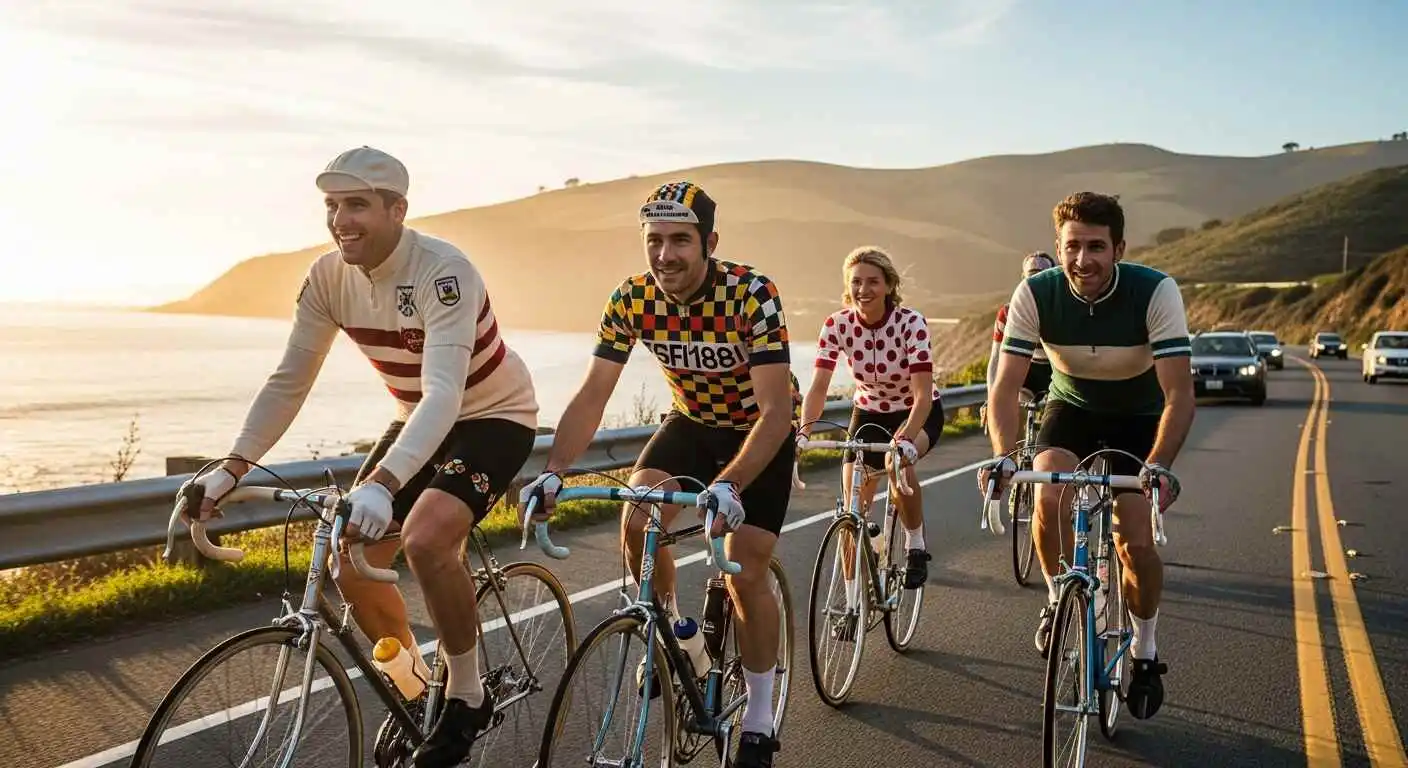
Cycling has always been a sport with a long memory. Riders do not just talk about the latest bikes, the newest drivetrains, or this season’s race calendar. They also talk about great teams, famous climbs, unforgettable one-day races, and the iconic jerseys that became part of cycling history. That is one reason retro cycling jerseys continue to attract attention from riders across Europe and North America. They offer something many modern kits struggle to provide: a clear connection between style, identity, and the deeper culture of the sport.
For some cyclists, that appeal begins with history. A classic jersey can bring to mind legendary names such as Eddy Merckx, Bernard Hinault, Greg LeMond, Miguel Indurain, or Stephen Roche. For others, it is less about one rider and more about the look of an era. Old team designs often had bold colours, simple sponsor layouts, and instantly recognisable patterns. Even riders who are not deeply invested in pro cycling history can usually see why those designs still stand out today. They are clean, memorable, and full of character.
Why Classic Kits Stand Out in a Repetitive World
That character matters more than ever because modern cycling gear can sometimes feel visually repetitive and hard to distinguish at a glance. Many current jerseys are highly technical and performance-focused, but not all of them are distinctive. Retro-inspired designs offer an alternative. They let riders wear something that feels personal rather than generic. On a group ride, at a café stop, or during a local event, a well-chosen classic jersey often says more than another anonymous gradient race fit ever could.
Heritage That Actually Performs
Still, the popularity of vintage-inspired cycling wear is not only about appearance. Riders today want gear that performs. Nobody wants to sacrifice comfort simply to look good for a photo. The real strength of the modern market for retro cycling jerseys is that it combines the visual appeal of classic team kits with the practical benefits riders expect now, including breathable fabrics, reliable zippers, rear pockets, and fits better suited to current road riding.
This balance between old-school design and modern usability helps explain why retro jerseys appeal to such a wide audience. Older cyclists may feel a genuine connection to the teams and riders they watched in real time. Younger riders may know those same jerseys from race archives, cycling books, documentaries, and social media. Either way, the result is similar: classic kit feels relevant again. It is no longer limited to collectors or themed vintage events. It has become a realistic wardrobe option for everyday riding.
Style, Identity, and Everyday Riding
Another reason these jerseys are gaining attention is that cycling culture has become more style-aware. Riders still care about performance, but they also care about expression. They want their kit to reflect who they are, what kind of riding they enjoy, and what part of cycling culture they connect with most. Some riders love the clean, national-champion feel of older European designs. Others prefer the louder commercial team aesthetics of the 1980s and 1990s. Some simply enjoy the fact that a retro jersey starts conversations. In every case, the jersey becomes more than clothing. It becomes a piece of identity.
Practical Tips for Choosing the Right Retro Jersey
For TurinBikes readers, there is also a practical reason to pay attention to this trend: choosing the right retro jersey is not the same as choosing a standard modern race jersey. A few details make a real difference.
The first is design quality. The best retro jerseys do not just borrow an old colour scheme and call it a day. They recreate the proportions, sponsor styling, and overall visual balance that made the originals memorable in the first place. If the design feels careless, the result will look more like a novelty item than something you actually want to wear regularly.
The second detail is fit and function. If you are shopping for a jersey to ride in rather than simply collect, check the basics carefully. Look for lightweight materials, well-finished seams, and a pocket setup that works for longer rides. Think about your climate, too. Riders in southern Europe or warmer parts of the United States may want lighter short-sleeve options for most of the year, while those in the UK, northern Europe, Canada, or the northern states may care more about layering and seasonal flexibility. Style matters, but comfort is what determines whether a jersey stays in your regular rotation.
The third detail is choosing a design that genuinely means something to you. That may sound obvious, but it is often the difference between a jersey you wear once and a jersey you keep reaching for. Some riders are drawn to the heritage of famous Tour teams. Others connect more with national team colours, world champion motifs, or the visual identity of the Spring Classics era. When a jersey reflects a part of cycling history you actually care about, it feels more authentic every time you put it on.
Curated Collections That Make It Easy
This is where curated selections of vintage cycling jerseys can be especially useful. Rather than forcing riders to sort through random options with little context, a focused collection of vintage cycling jerseys can make it easier to find designs that combine classic appeal with everyday wearability. That is especially important for riders who want historical style without compromising on the basic standards expected from modern apparel.
Retro Kit in Today’s Modern Peloton
It is also worth noting that retro jerseys fit surprisingly well into today’s cycling world. You do not need a steel frame or toe clips to wear one convincingly. Plenty of riders pair classic-looking kit with modern road bikes, contemporary helmets, and current shoes without any problem at all. In fact, that contrast is part of the appeal. It reflects what many cyclists already enjoy about the sport: the ability to combine modern performance with respect for tradition.
There is a broader lesson here as well. Cycling is one of the few sports where visual history remains active in everyday participation. Fans do not just watch old races and admire old photos. They can take that influence with them on the road. A retro jersey allows a rider to bring some of cycling’s heritage into ordinary training miles, weekend club rides, and coffee-stop conversations. It keeps the sport’s past visible in a way that feels natural rather than forced.
For riders in Europe and North America, that makes the comeback of retro jerseys easy to understand. Cycling in both regions is shaped by history, community, and personal style as much as equipment and results. Riders want useful gear, but they also want gear with meaning. A classic jersey answers both needs when it is made well. It looks distinctive, rides comfortably, and connects the rider to something bigger than the current season’s trends.
That, ultimately, is why retro cycling jerseys continue to matter. They are not just a nostalgic side trend. They are a practical and stylish reminder that cycling has always been about more than speed alone. It is about memory, culture, and the stories riders choose to carry with them. In a sport that values heritage as much as progress, that combination is unlikely to go out of style any time soon.

Sachin Kadwal is the founder of TurinBikes, with 5.5+ years in SEO and digital research. He rides regularly and creates honest, data-backed bike guides based on verified reviews and real-world testing.”